
Does sealing prevent grout mold? Learn what sealer does, what causes mildew, and how to keep South Florida tile grout cleaner for longer during daily use.
A clean tile floor can still look tired when the grout lines are dark, blotchy, or dotted with black spots. In South Florida, where humidity, showers, wet shoes, and everyday spills are part of life, this is a common frustration. So, does sealing prevent grout mold? It can make a real difference, but sealing is protection, not a permanent cure for moisture or mildew.
Grout sealer helps limit how much water, soap residue, and dirt can soak into grout. That makes the surface easier to clean and less welcoming to mold growth. But if a shower stays damp, a bathroom has poor ventilation, or existing mold is sealed in instead of removed, discoloration can still return.
Does Sealing Prevent Grout Mold Completely?
No grout sealer can guarantee mold-free grout forever. Mold needs moisture, a surface where it can settle, and often a food source such as body oils, shampoo residue, soap scum, or dust. Bathrooms, pool-adjacent entries, and commercial restrooms can provide all of those conditions.
What a quality penetrating sealer does is reduce grout's absorbency. Most cement-based grout is naturally porous, with tiny openings that hold moisture and grime below the surface. When water and residue have less chance to sink in, routine cleaning becomes more effective, stains are less likely to set, and mold has fewer places to establish itself.
Think of sealing as putting a protective barrier inside the grout, not placing a plastic cover over the tile floor. Water should still be wiped away, shower walls still need ventilation, and spills still need attention. The payoff is that the grout is easier to maintain and more likely to stay close to its original color.
Why Mold and Mildew Keep Showing Up in Grout
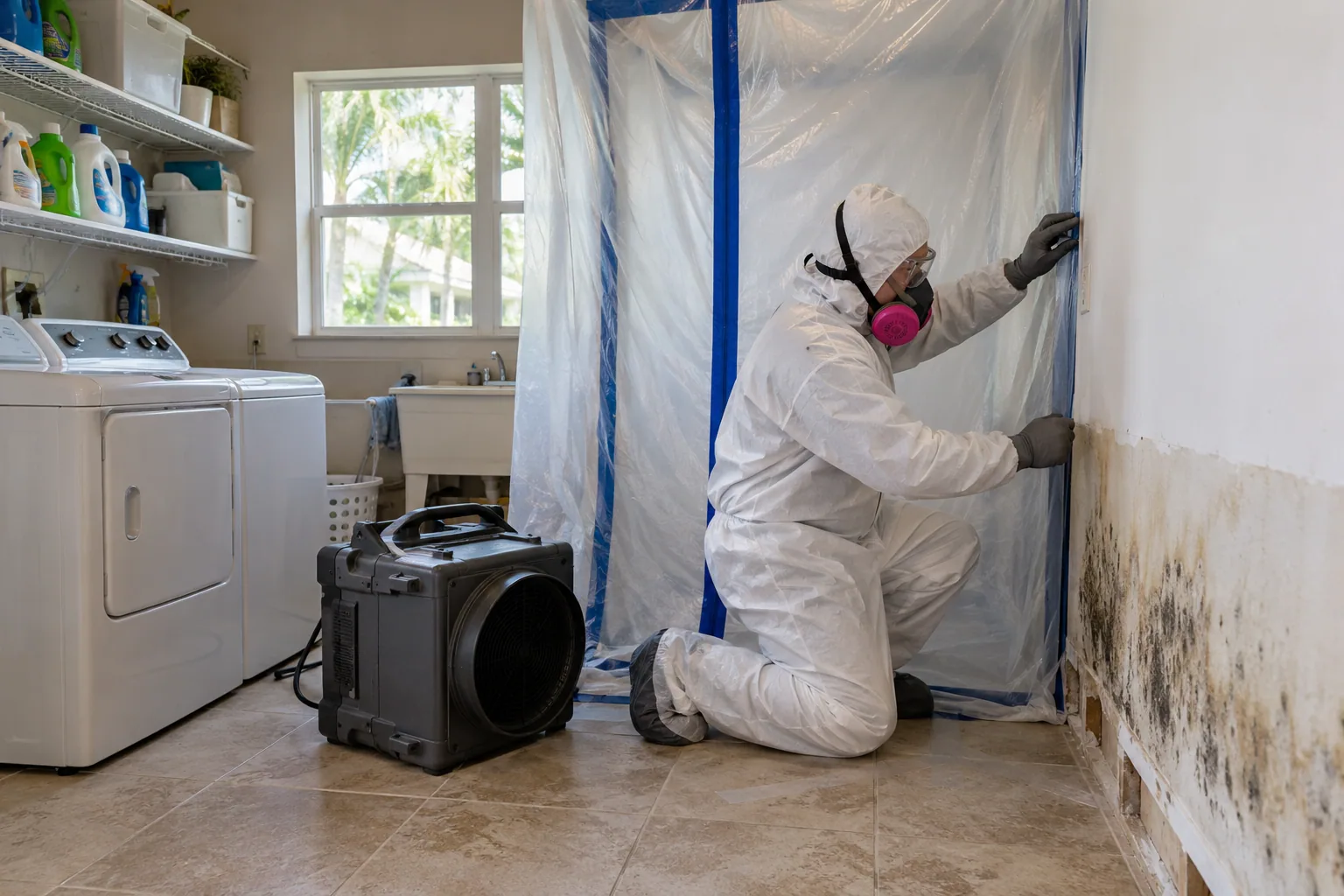
Grout discoloration is not always mold. Dark grout can be embedded dirt, mineral buildup, old sealant, rust, soap scum, or staining from cleaning products. Mold and mildew often appear as gray, black, greenish, or pinkish spots, especially in shower corners, around tub edges, and along floor grout lines that remain wet.
Humidity is a major factor in Fort Lauderdale and throughout South Florida. Even a well-cleaned shower can develop mildew if the room does not dry properly between uses. Running an exhaust fan during a shower and for at least 20 to 30 minutes afterward helps. Leaving the door open when practical, repairing dripping fixtures, and wiping down wet surfaces also reduce the moisture that mold needs.
High traffic creates a different problem on tile floors. Entryways, kitchens, laundry rooms, and business lobbies collect grit, mop water, drink spills, pet accidents, and oils tracked in on shoes. Over time, that buildup can darken unsealed grout and make it look like a mold issue even when it is mostly dirt. A close inspection and professional cleaning can identify what is actually affecting the grout before choosing a treatment.
Sealer Cannot Fix Damage or Existing Growth
Sealing dirty grout is one of the most common mistakes homeowners and property managers make. A sealer may trap stains, residue, or mold below the protected surface, making the problem harder to remove later. The grout should be thoroughly cleaned, rinsed, and allowed to dry before sealer is applied.
If grout is cracked, missing, soft, or separating from the tile, sealing alone will not solve it. Those openings allow water to reach areas where it should not be, including the wall or subfloor behind the tile. Regrouting, caulking, or repairing the source of water intrusion may be necessary first.
The Right Way to Seal Grout for Better Protection
The best results come from a simple order of work: inspect the surface, deep clean it, allow it to dry, and then apply the appropriate sealer. This is especially important in showers and heavily used floors, where surface-level cleaning may not remove what is embedded in the grout pores.
Penetrating grout sealers are commonly used because they absorb into porous grout rather than sitting as a shiny coating on top. They help repel water and stains while maintaining the intended look of the tile and grout. The right product and application method depend on the grout type, tile material, location, and previous treatments. Natural stone, for example, needs careful product selection because acidic or harsh cleaners can damage its finish.
Even coverage matters. Missed spots become weak points where water and stains can still absorb. Applying too much sealer can also leave a hazy residue on tile faces if it is not wiped away correctly. For a small, newer tiled area, careful do-it-yourself sealing may be reasonable. For a large floor, a heavily stained shower, or delicate stone tile, professional cleaning and sealing usually provide a more dependable result.
How Often Should Grout Be Resealed?
There is no one schedule for every room. A lightly used guest bathroom may hold protection longer than a family shower used several times a day. Kitchen grout, rental turnovers, restaurant floors, and pool-area tile often need more frequent attention because they face more moisture, grease, traffic, and cleaning.
As a general rule, consider checking grout protection every one to three years. A simple water test can help: place a few drops of water on a clean grout line. If the water beads for a while, the sealer may still be working. If it quickly darkens the grout or absorbs, it may be time for cleaning and resealing.
That test is only a guide. Grout can look sealed in one spot and absorbent in another, especially in high-use paths. The condition of the grout and how the space is used matter more than a calendar reminder.
Everyday Habits That Keep Grout Cleaner
Sealer works best when it is paired with consistent, low-effort care. After showering, use a squeegee or towel on tile walls and the floor to remove excess water. This small habit cuts down on moisture, soap scum, and the cleaning time needed later.
For floors, sweep or vacuum grit regularly before mopping. Dirt acts like fine sandpaper and can work into grout over time. Use a pH-neutral tile and grout cleaner when possible, and avoid relying on bleach or strong acidic cleaners for every job. Harsh products may temporarily brighten discoloration, but repeated use can weaken grout, damage natural stone, or create fumes in a closed bathroom.
Keep ventilation working properly. If the bathroom fan is noisy, weak, or rarely used, moisture may linger long after the shower is finished. In commercial spaces, regular drying and cleaning schedules are especially valuable because small spills and wet footprints add up quickly.
For persistent black spotting, deep discoloration, or grout that remains dirty shortly after cleaning, it is worth addressing the cause instead of repeatedly scrubbing the same area. A professional inspection can determine whether the issue is surface buildup, failed sealer, staining, damaged grout, or a moisture problem that needs repair.
When Professional Grout Cleaning and Sealing Makes Sense
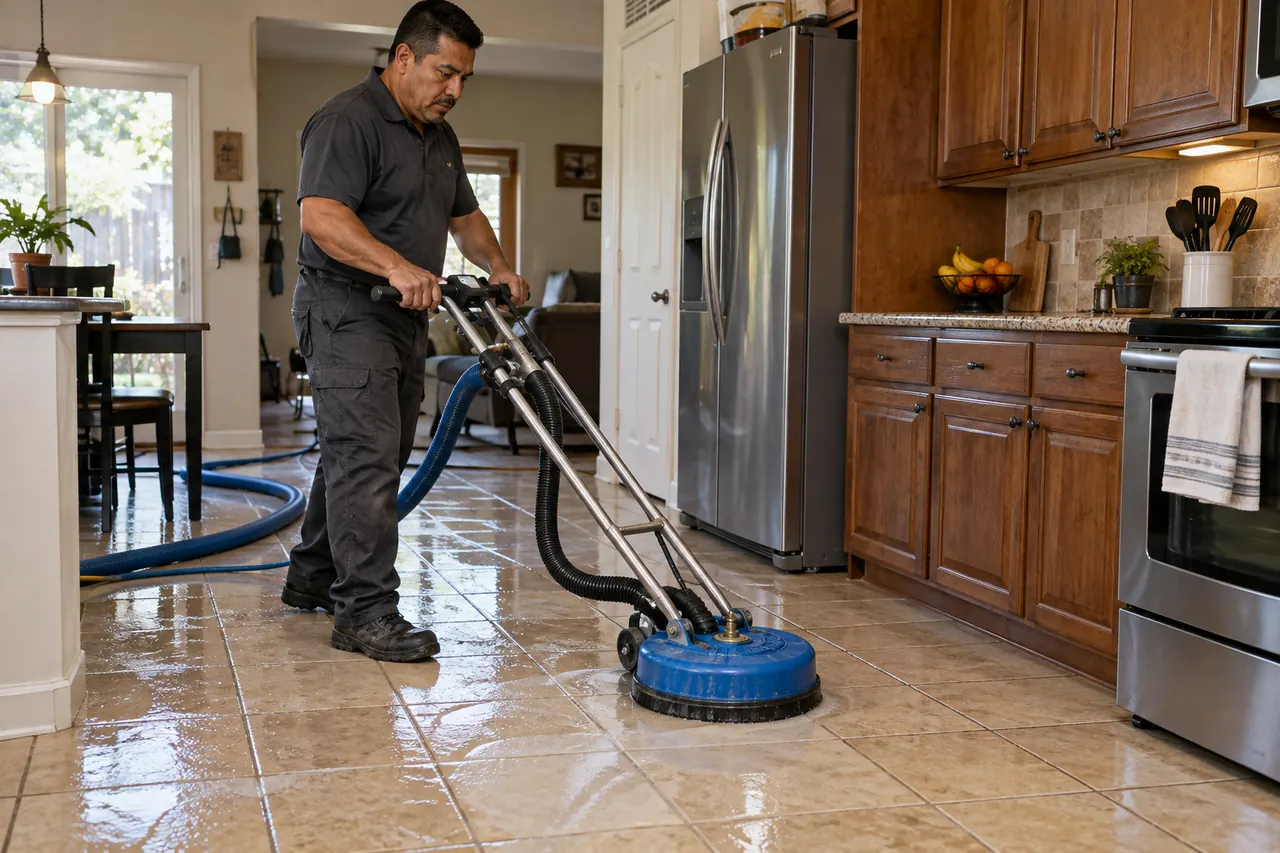
Professional service is often the practical choice when grout lines are deeply soiled, a shower has widespread mildew staining, or a property needs a fast visual refresh before guests, tenants, or customers arrive. Specialized equipment and solutions can lift embedded soil more evenly than household products, helping restore the contrast between clean tile and grout lines.
After proper cleaning, sealing provides a fresh layer of defense so the restored look lasts longer. For homeowners, that can mean a bathroom or kitchen that feels cleaner and easier to enjoy. For property managers and business owners, it can help maintain a cared-for appearance without replacing tile that is still in good condition.
First Choice Floor Care approaches grout care with that full process in mind: identify the buildup, clean the surface thoroughly, and recommend protection where it will provide real value. Clear expectations matter. Sealing can reduce future staining and moisture absorption, but ongoing moisture control is what keeps mold pressure low.
A bathroom does not have to look neglected just because it gets used every day. Clean, dry grout and a well-applied sealer give you a practical starting point, while a few steady habits help keep that fresh result around much longer.
Unsure what your surface needs?
A clear assessment is more useful than guessing. Tell us what you’re seeing and we’ll discuss the next step.
Request an Estimate