Does steam sanitize carpets, upholstery, tile, and grout? Learn what heat can remove, where it falls short, and when professional cleaning helps at home.
A carpet can look clean after a quick pass with a steam cleaner and still hold odors, soil, and residue below the surface. That leads to a fair question: does steam sanitize? Sometimes, under the right conditions. But steam cleaning and sanitizing are not automatically the same thing.
For homes, rental properties, offices, and hospitality spaces across South Florida, the difference matters. Real cleaning is not just about making a floor or sofa look better for the afternoon. It is about removing the buildup that makes a space feel worn, smell stale, and become harder to maintain.
Does Steam Sanitize Surfaces?
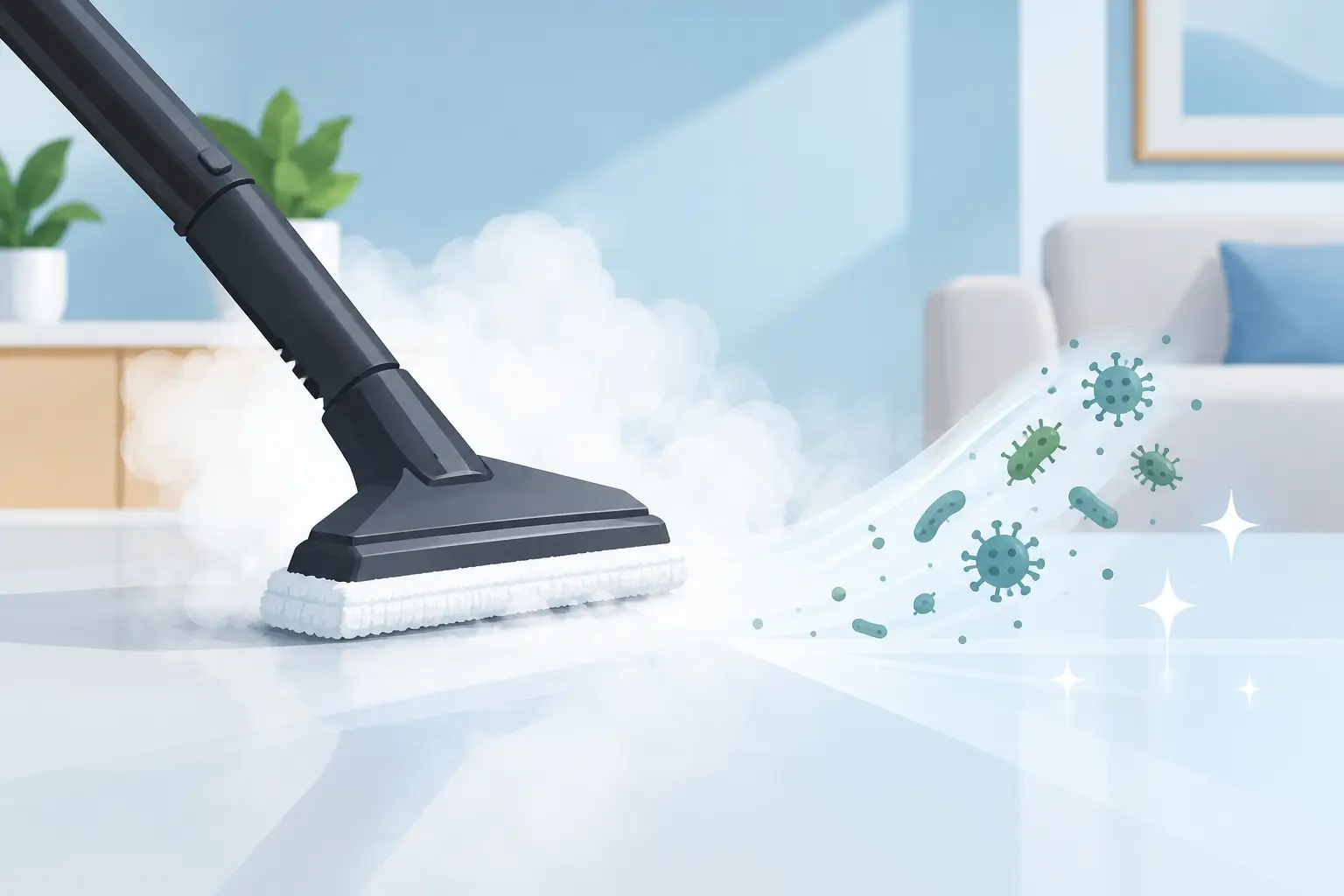
Steam can reduce many germs when it reaches a high enough temperature and stays in contact with the surface long enough. Heat is effective because it can damage or kill certain bacteria, viruses, dust mites, and other microorganisms. However, the exact result depends on the equipment, the surface, and how the machine is used.
A small household steam cleaner may produce hot steam at the nozzle, but that does not mean the entire carpet, grout line, or upholstered cushion reaches a sanitizing temperature. Once steam meets a cooler surface, it begins to lose heat. Thick carpet fibers, deep grout joints, padded furniture, and heavy soil can all limit how far that heat reaches.
There is another practical issue: steam does not lift everything by itself. Grease, body oils, tracked-in dirt, soap residue, pet accidents, and food spills often need the right cleaning solution, agitation, and extraction. Steam may help loosen the mess, but it cannot replace a complete cleaning process when stains and embedded soil are the real problem.
Cleaning, Disinfecting, and Sanitizing Are Different Jobs
These terms are often used interchangeably, but they describe different outcomes.
Cleaning removes visible dirt, dust, oils, and residues from a surface. A properly cleaned tile floor or sofa is fresher, brighter, and easier to keep clean going forward. Cleaning may also remove a portion of germs simply by removing the soil they live in.
Sanitizing generally means reducing certain microorganisms to a level considered safer under specific testing conditions. Disinfecting is a stronger claim, usually referring to killing or inactivating a defined percentage of germs on hard, nonporous surfaces. Those claims depend on the product or equipment being used exactly as directed.
For most homes and businesses, cleaning thoroughly comes first. A disinfectant applied over greasy tile, dirty grout, or a stained countertop may not work as intended. Soil can block contact with the surface, which is why professional cleaning focuses on removal before protection or disinfection is considered.
Where Steam Cleaning Can Help Most
Steam can be useful on sealed, heat-tolerant hard surfaces when used carefully. It may help loosen grime around tile edges, lift light residue from sealed grout, and refresh certain bathroom or kitchen surfaces. The visible difference can be satisfying, especially in areas affected by Florida humidity, daily foot traffic, and sticky buildup.
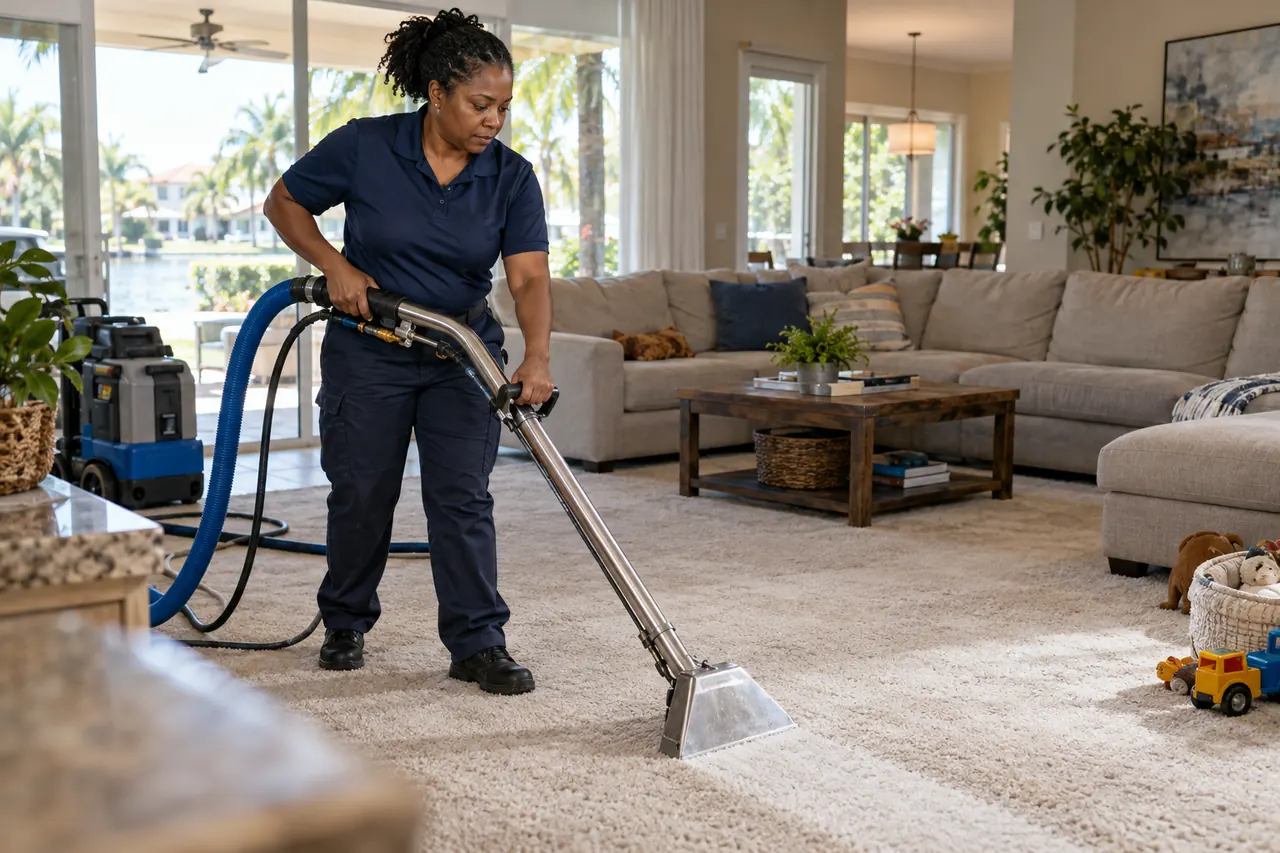
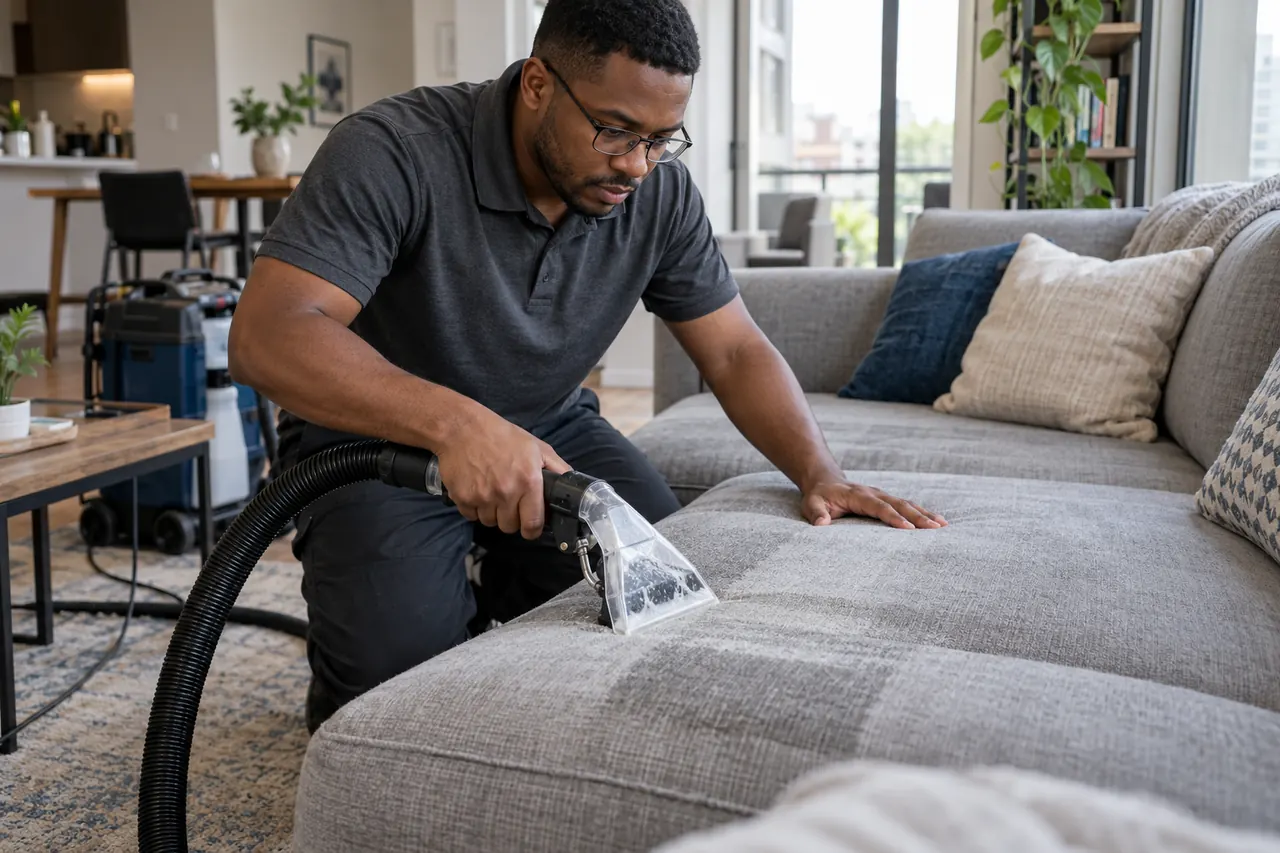
Steam can also refresh some upholstery and carpets, but the word “some” matters. The safest method depends on the fabric type, colorfastness, backing, cushion filling, and the source of the odor or stain. Too much heat or moisture can cause shrinking, browning, color bleeding, or slow drying. In South Florida, slow drying can also leave a damp fabric with a musty smell.
Professional upholstery steam cleaning typically involves more than applying hot vapor. It begins with inspection and fabric testing, followed by targeted pre-treatment, controlled cleaning, and moisture removal. This helps address what is actually in the fibers instead of simply heating the top surface.
Tile and Grout Need More Than Heat
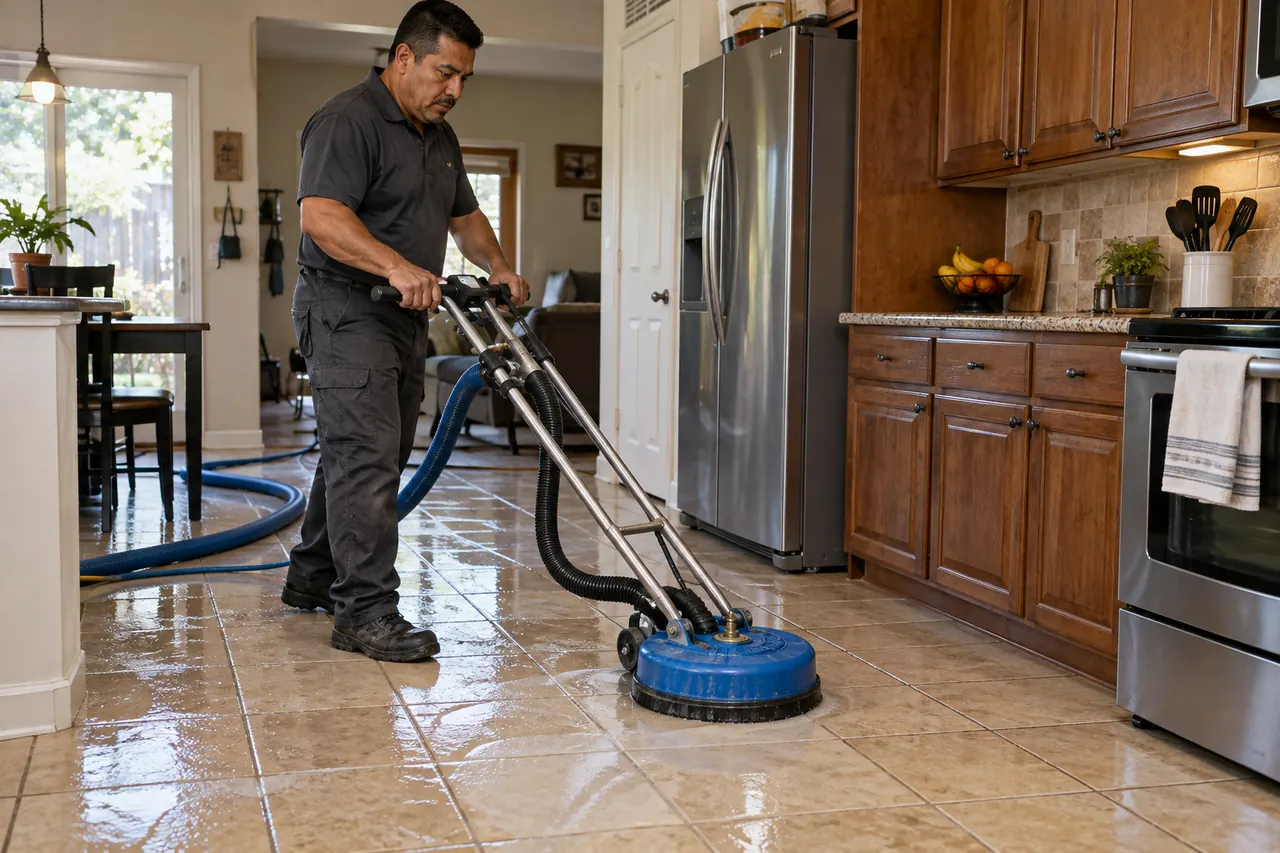
Grout is porous, which is why it absorbs dirt, spills, and cleaning residues so easily. A steam mop can improve the appearance of lightly soiled grout, but it may not remove years of dark buildup from high-traffic kitchens, entryways, showers, or commercial restrooms.
Deep tile and grout cleaning uses the right combination of cleaning solutions, agitation, and extraction to pull out trapped soil. Afterward, grout sealing can help slow down future staining and make regular maintenance easier. Steam may be part of the process in certain situations, but it is not a one-step answer for neglected grout lines.
Natural Stone Requires Extra Care
Marble, terrazzo, travertine, and other natural stone surfaces should not be treated like standard ceramic tile. Steam, aggressive scrubbing, acidic cleaners, and excessive moisture can create problems if the stone is damaged, poorly sealed, cracked, or finished with a sensitive coating.
Dull marble or terrazzo often needs polishing rather than stronger cleaning alone. Polishing restores clarity and shine by refining the stone surface, while cleaning removes the soil that hides its appearance. Using the wrong method can leave a floor looking cloudy or uneven, so it is worth having natural stone assessed before using steam equipment.
When Steam Is Not the Best Choice
Steam is not a cure for every cleaning concern. If pet urine has soaked into carpet backing or cushion foam, surface steam may not reach the full source of the odor. If grout is permanently stained, damaged, or missing, cleaning alone may not restore it. If a carpet has heavy traffic lanes, the fibers may need professional extraction and grooming to improve their appearance.
It is also wise to avoid steam on unsealed wood, laminate with vulnerable seams, damaged vinyl, delicate fabrics, loose wallpaper, and electronics. Heat and moisture can cause lifting, warping, swelling, or adhesive failure. Always follow the flooring or furniture manufacturer’s care instructions, especially when a surface is new or under warranty.
For hard surfaces that need true disinfection, use a product labeled for that specific surface and follow its directions for dilution and contact time. Never assume that a quick wipe or a fast pass with a steamer provides the same result.
A Better Way to Think About a Clean Home or Business
The best cleaning method starts with the condition of the surface. A lightly used tile floor may only need regular mopping and occasional detail work. A busy family room with pets, a rental unit between tenants, or a lobby that sees daily traffic may need deeper service to remove what routine cleaning leaves behind.
At First Choice Floor Care, the focus is on visible restoration and practical care. That can mean lifting embedded dirt from carpet, refreshing upholstered furniture, restoring dirty grout lines, or polishing a dull stone floor so the room feels cared for again. The right process is based on the material, the level of buildup, and the result you want to maintain.
How to Get Better Results Between Professional Cleanings
Regular care makes a major difference, even after a deep clean. Vacuum carpets often enough to remove dry soil before it settles into the fibers. Blot spills instead of rubbing them deeper. Use entry mats in busy doorways, and clean tile with a neutral cleaner that will not leave a sticky film behind.
For upholstered furniture, address spills promptly and avoid soaking cushions with DIY products. A little product can go a long way, and leftover residue often attracts more dirt. If odors return quickly, stains reappear after drying, or grout stays dark no matter how much you scrub, the problem is likely below the surface.
Steam can be a helpful tool, but it works best as part of a thoughtful cleaning plan, not as a promise in a machine. When your floors or furniture need more than a surface refresh, choosing the right care can make the whole space feel cleaner, brighter, and easier to enjoy.
Unsure what your surface needs?
A clear assessment is more useful than guessing. Tell us what you’re seeing and we’ll discuss the next step.
Request an Estimate