Furniture fabric protection helps South Florida homes and businesses resist spills, stains, and daily wear while keeping upholstery cleaner, fresher longer.
A light-colored sofa can look tired long before the cushions lose their comfort. One coffee spill, a pet climbing in after a rainy walk, or sunscreen on a dining chair can leave marks that change the whole feel of a room. Furniture fabric protection gives upholstered pieces a better chance against those everyday accidents, helping your furniture stay cleaner, fresher, and easier to maintain.
For homes and businesses across South Florida, protection is especially useful because furniture often works hard. Families gather on sectionals, guests use lobby seating, renters move in and out, and humidity can make lingering odors and dampness more frustrating. A professional cleaning and protection service can restore the fabric first, then add a protective barrier designed for the material.
What Furniture Fabric Protection Actually Does
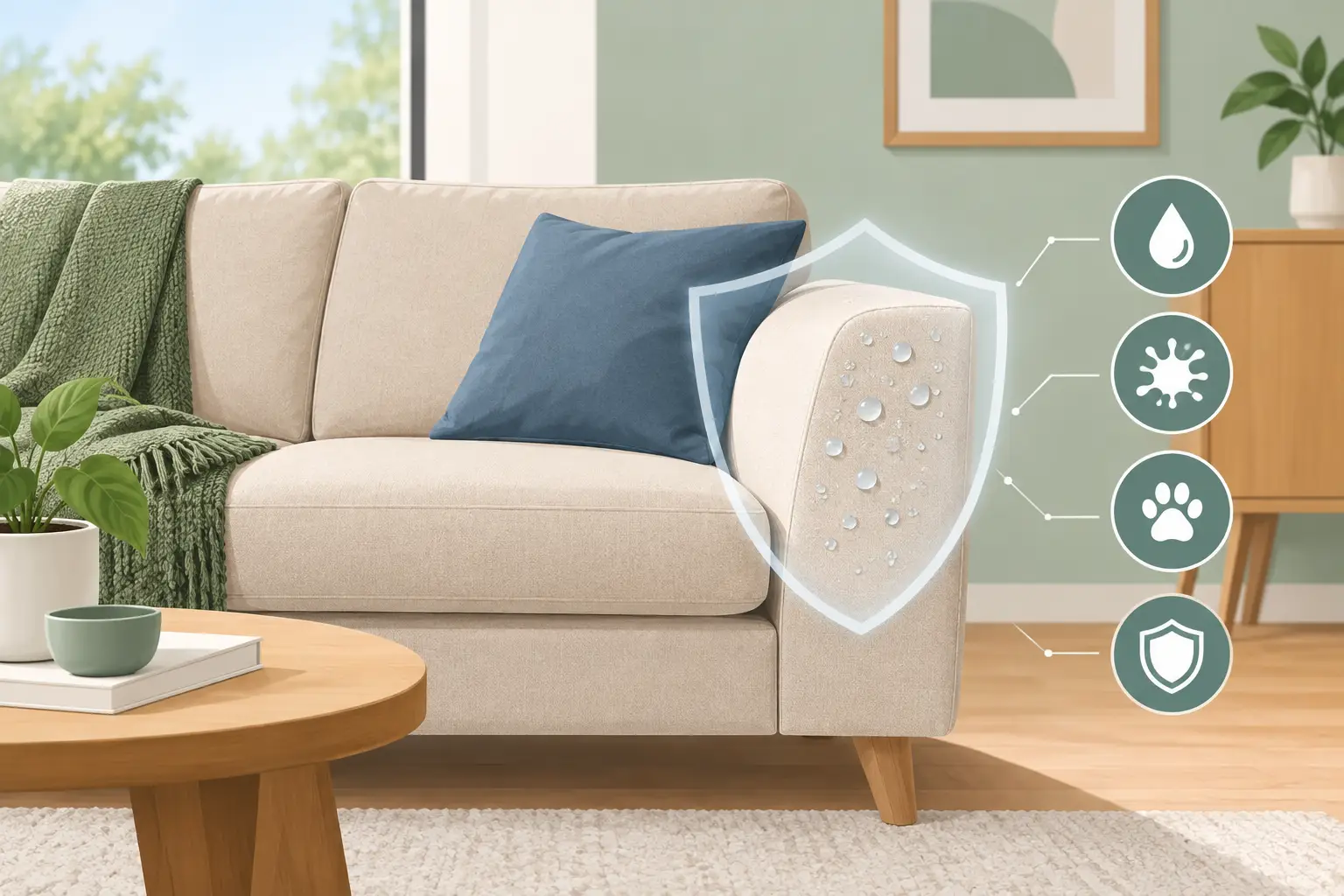
Fabric protection is a specialized treatment applied to clean upholstery. It coats individual fibers with a barrier that helps repel water-based spills, oils, and dry soil. Rather than soaking in immediately, many spills bead near the surface, giving you time to blot them before they become deep stains.
That extra time matters. It can be the difference between lifting fresh juice from a cushion and living with a permanent outline where the spill dried. Protection also helps reduce the grip that everyday dirt has on fabric fibers, so regular vacuuming and professional cleaning can be more effective.
It is not a force field, and a reputable cleaner should never present it that way. Dark liquids, oily foods, ink, pet accidents, makeup, and repeated spills can still stain upholstery, especially if they are left untreated. The real benefit is improved stain resistance and easier cleanup, not permission to ignore spills.
When Upholstery Protection Makes the Most Sense
Almost any upholstered piece can benefit from furniture fabric protection, but it offers the strongest value where there is frequent use and a real chance of spills. A formal chair in a rarely used room may only need occasional cleaning. A family-room sofa, breakfast nook chairs, or reception-area seating faces a very different level of wear.
It is often a smart choice for homes with children, pets, or frequent guests. Parents know how quickly snacks, markers, and sports drinks find their way onto the couch. Pet owners deal with more than fur - paws, body oils, occasional accidents, and outdoor dirt can build up gradually even when furniture does not look obviously stained.
For property managers, vacation rentals, offices, and hospitality settings, protected upholstery can help preserve a cleaner appearance between scheduled services. Furniture that stays presentable supports the impression you want visitors, tenants, and customers to have when they walk in.
Clean First, Protect Second
Applying a protective treatment over dirty upholstery is a poor shortcut. Soil, oils, and old spills need to be removed as thoroughly as possible before protection is applied. Otherwise, the barrier may be less effective, and the furniture can still look dull or feel grimy beneath it.
A proper upholstery service begins with an inspection. The cleaner identifies the fabric type, checks for existing stains, and looks for concerns such as fading, weakened fibers, pet odor, or previous cleaning residue. This step is particularly important with natural fibers, delicate blends, velvet, silk, and furniture with manufacturer cleaning codes.
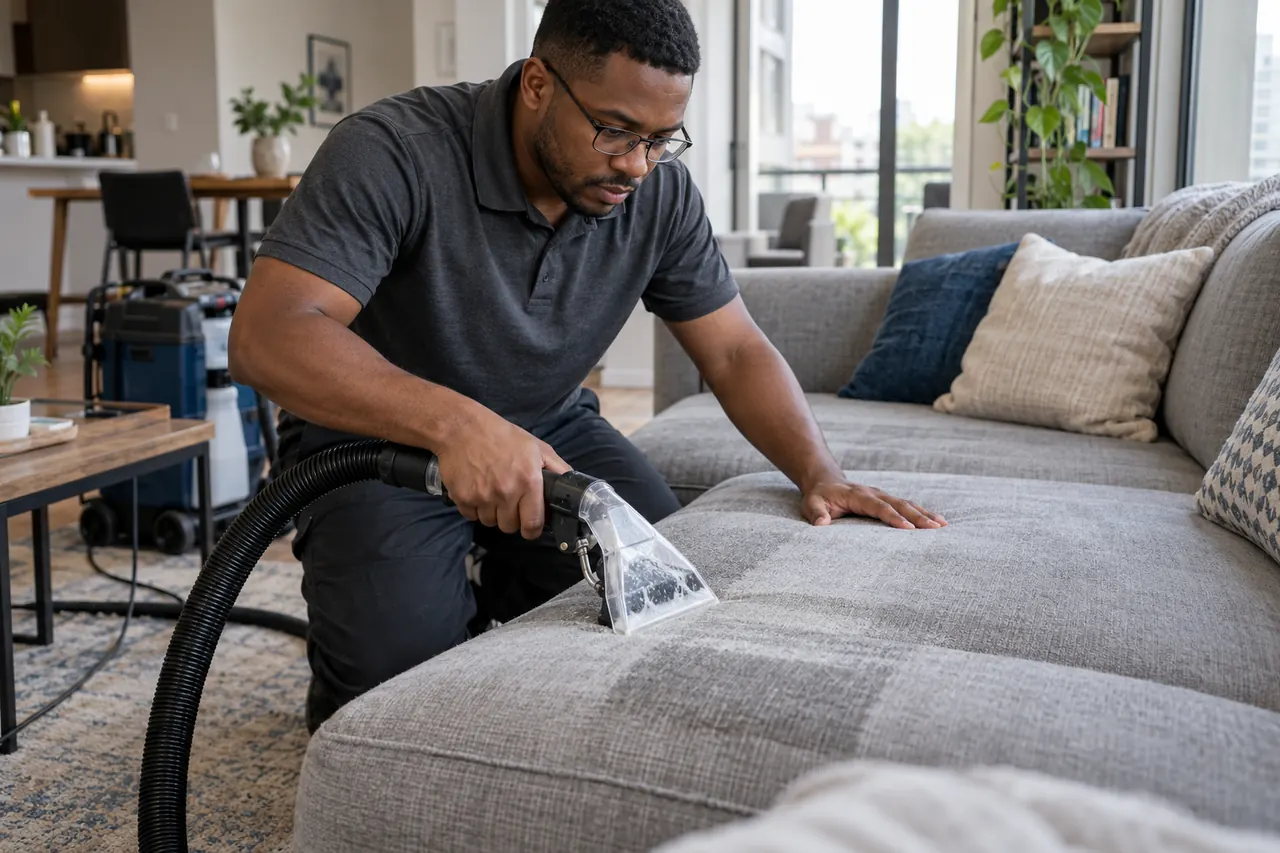
After inspection, the fabric is pre-treated as needed and cleaned using the method that fits the upholstery. Many synthetic fabrics respond well to hot water extraction or steam cleaning, while more delicate materials may require low-moisture or specialty methods. Once the furniture is clean and properly drying, the protection can be applied evenly across the usable fabric surfaces.
The goal is simple: clean fabric, an appropriate treatment, and enough drying time before the piece returns to regular use. Rushing this process can leave uneven results.
Not Every Fabric Should Be Treated the Same Way
The fabric on your furniture matters as much as the stain you are trying to prevent. Microfiber, polyester blends, olefin, and many durable upholstered fabrics are commonly good candidates for protection. They are widely used in busy homes because they can handle regular cleaning well.
Natural fibers and specialty fabrics require more care. Cotton and linen can absorb quickly and may be prone to water rings. Wool, silk, rayon, and some textured or vintage fabrics may need a gentler approach or may not be suitable for a standard protectant. Leather is also different - it needs leather-specific cleaning and conditioning rather than fabric protection.
This is why an on-site assessment is worth the time. The right product and method should be chosen for the furniture in front of the cleaner, not guessed from a photo alone.
How to Keep Protected Furniture Looking Better
Protection works best when it is paired with sensible daily care. Vacuum upholstered furniture regularly using an upholstery attachment, including under cushions and along seams where crumbs and dust collect. This prevents dry soil from working deeper into the fabric as people sit and move around.
When a spill happens, act quickly. Blot it with a clean white cloth or paper towel, working from the outside edge toward the center. Avoid rubbing, which can spread the spill and push it into the fibers. Use a gentle touch and resist the urge to soak the area with random household cleaners.
Store-bought spot removers can create problems when they do not match the fabric. Some leave a sticky residue that attracts more dirt. Others can fade color, cause water rings, or change the feel of the material. If a spot does not lift with careful blotting, it is usually better to have it professionally treated than to turn a small mark into a larger damaged area.
Sunlight is another issue in Fort Lauderdale and throughout South Florida. Bright windows can fade upholstery over time, even when the fabric is clean and protected. Curtains, blinds, window film, or thoughtful furniture placement can reduce that exposure and help colors stay more even.
How Long Does Protection Last?
There is no single timeline because furniture use varies widely. A protected chair in a quiet bedroom may hold up well for years. A sectional used every day by a busy family, with pets climbing on and off, may need cleaning and reapplication sooner.
Regular vacuuming, fast spill cleanup, and avoiding harsh cleaners can help the treatment last longer. Professional cleaning may also reduce its effectiveness over time, depending on the cleaning process and the fabric, so reapplication after a deep upholstery cleaning is often recommended.
Think of protection as part of a maintenance plan rather than a one-time permanent fix. Like sealing grout or polishing a natural stone floor, it helps preserve the surface, but ongoing care still matters.
Signs Your Upholstery Needs Professional Attention
Do not wait until every cushion is stained. Upholstery often sends quieter signals first: fabric that looks flat in high-contact areas, armrests that feel oily, a lingering pet or food odor, or a color difference between the seat cushions and the back cushions. These are signs that body oils, dust, and daily residue are building up.
Visible spots deserve attention, but so does the overall condition of the piece. A deep cleaning can refresh the fabric, reduce trapped soil, and improve the look of furniture you may have assumed needed replacement. Adding protection afterward helps preserve that renewed appearance.
First Choice Floor Care provides upholstery steam cleaning for homeowners, property managers, and businesses that want practical results without replacing furniture that still has years of use left. An inspection helps determine the safest cleaning method and whether fabric protection is a good fit for your upholstery.
A well-used sofa does not need to look neglected. With prompt care after spills, regular maintenance, and the right professional treatment when needed, your furniture can stay ready for family time, guests, tenants, and everyday life.
Unsure what your surface needs?
A clear assessment is more useful than guessing. Tell us what you’re seeing and we’ll discuss the next step.
Request an Estimate