
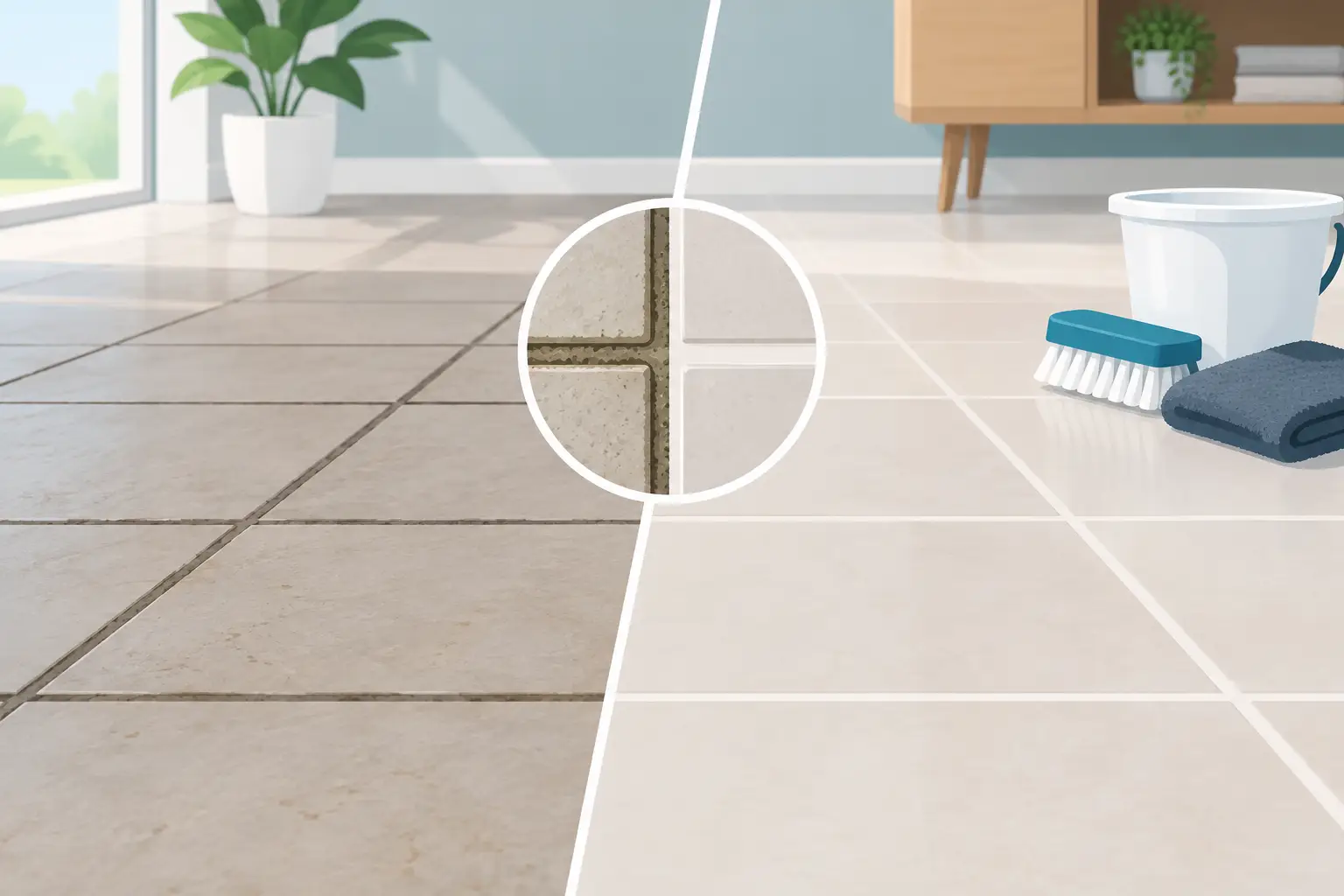
Read this grout restoration review to learn what professional cleaning can fix, when repair is needed, and how sealing keeps South Florida floors fresh.
A grout restoration review should start with the result you can see from the doorway: cleaner grout lines, brighter tile, and a floor that no longer makes the whole room feel worn out. For many South Florida homes and businesses, the change is dramatic because grout holds the everyday buildup that mopping leaves behind - tracked-in dirt, cooking residue, soap film, pet messes, and moisture-related staining.
The right service can make a kitchen, bathroom, entryway, or lobby look refreshed without the cost and disruption of replacing tile. Still, grout restoration is not a magic eraser for every problem. Honest results depend on the age of the floor, the type of staining, whether the grout is damaged, and whether the surface receives proper protection afterward.
What Grout Restoration Can Really Fix
Grout is naturally porous. Even when tile is cleaned regularly, unsealed or worn grout can absorb dark residue over time. That is why a floor can look dirty shortly after being mopped. The tile surface may be clean, while the grout lines remain embedded with buildup.
Professional grout restoration usually begins with an inspection. A trained technician looks for traffic patterns, grease, mineral deposits, mildew staining, loose grout, cracked areas, and prior sealers or coatings. This step matters because a bathroom floor with soap and hard-water buildup needs a different approach than a restaurant entryway marked by heavy foot traffic.
In many cases, deep cleaning can lift years of discoloration and restore much closer to the grout's original color. It can also remove the dingy gray or brown cast that makes light-colored tile look tired. A cleaner floor often makes the entire room feel more open and better cared for.
Restoration may also include spot treatment for stubborn stains, detailed cleaning along edges and corners, and sealing after the grout has dried. Sealing does not make grout maintenance-free, but it gives spills and dirt less opportunity to soak in. That can make routine cleaning easier and help the refreshed look last longer.
What a Grout Restoration Review Should Mention
Before choosing a service, look past a simple statement that the floor "looked great." Helpful reviews describe the original condition, the work performed, and the outcome. A homeowner who says their grout had not been cleaned in years and now looks several shades lighter gives you a clearer picture than a vague five-star rating.
Pay attention to comments about punctuality, care inside the property, communication, and upfront pricing. A strong cleaning result matters, but so does having a technician who explains what can be improved before work starts. For occupied homes, rental turnovers, and commercial spaces, respectful service and clear expectations are part of the job.
It also helps when reviews mention how the floor held up after service. If grout was sealed, customers may notice that weekly cleaning becomes less frustrating and that small spills wipe up more easily. Results will vary with traffic and cleaning habits, but long-term feedback is useful when comparing providers.
Before-and-after photos need context
Photos can be powerful because grout restoration is visual work. The difference between dark, stained lines and clean grout can change the feel of a room in a single visit. But photos should be viewed with reasonable expectations.
Lighting, tile color, and camera angles can affect how dramatic a photo looks. More importantly, not every floor will return to a brand-new appearance. Deep stains, permanent dye transfer, etching, cracked grout, and failing grout joints may require repair or color sealing rather than cleaning alone. A dependable provider will explain that before beginning work, not after.
Professional Cleaning Versus DIY Methods
A store-bought brush and cleaner may improve a small, recent stain. For a lightly soiled shower corner or a single spill, do-it-yourself cleaning can be a sensible first step. The trade-off is that scrubbing an entire tiled floor is slow, physically demanding, and often uneven.
Many household products also create problems when used repeatedly. Strong acids can damage certain natural stone surfaces and weaken grout. Bleach may lighten some stains temporarily while failing to remove the dirt beneath them. Excess water can push soil around or leave moisture where it does not belong, especially around damaged grout lines.
Professional service uses equipment and cleaning methods designed to loosen and remove embedded soil while controlling the rinse and recovery process. The goal is not just to make the grout look better for a day. It is to pull out the buildup that ordinary mopping cannot reach, without taking unnecessary risks with the tile or surrounding surfaces.
For larger rooms, rental properties, and busy businesses, professional cleaning is often the more practical choice. It saves time and delivers more consistent results across the floor. It can also identify areas where cleaning should stop and repair should begin.
When Cleaning Is Not Enough
A fair grout restoration review should be clear about limits. Cleaning cannot replace missing grout or permanently repair structural movement in a floor. If grout is crumbling, separating from tile edges, or repeatedly cracking, the underlying issue may need attention before a deep clean or seal.
Mildew that keeps returning can point to a moisture concern, poor ventilation, or a leak. In that situation, cleaning is part of the solution, but not the whole solution. The moisture source should be corrected to protect the floor and the surrounding area.
Color loss is another common concern. Some grout becomes permanently blotchy from age, harsh cleaners, rust, dye, or years of absorbed soil. When the grout is sound but the color is uneven, a color-sealing service may provide a more uniform appearance than cleaning alone. This option can be especially useful for owners who want a consistent color across older tile floors.
How to Get Better, Longer-Lasting Results
The days after a grout restoration service make a difference. Let the floor dry as directed before resuming normal use, particularly if sealant has been applied. Once the floor is back in service, regular care does not need to be complicated.
Use a pH-neutral cleaner suited to your surface, avoid leaving spills to sit, and change mop water often. Dirty mop water can redeposit grime into grout lines, which is one reason floors sometimes look dull again so quickly. Entry mats also help reduce sand, grit, and wet footprints in high-traffic areas.
For bathrooms, ventilation matters. Running the exhaust fan after showers helps reduce lingering humidity that encourages staining and mildew. In kitchens, wiping up grease splatter and food spills early is far easier than trying to remove them after they have settled into grout.
Commercial spaces may need a more frequent maintenance plan because traffic is simply heavier. A busy lobby, café, salon, or rental turnover floor receives more shoes, spills, and cleaning cycles than a guest bathroom at home. The right schedule depends on use, not a one-size-fits-all calendar.
Choosing a Local Grout Restoration Service
Look for a company that asks questions about your floor before giving a firm expectation. Photos can be useful for a fast estimate, but an experienced technician should still explain the likely process, the condition of the grout, and whether sealing or repairs are recommended.
Clear pricing matters too. You should know what the quoted service includes and whether there are additional charges for heavy buildup, stain treatment, sealing, or repairs. The lowest price is not always the best value if it only covers a quick surface clean that leaves the grout looking nearly the same.
First Choice Floor Care approaches grout work as part of complete surface care, with attention to the tile, grout condition, traffic level, and practical next steps for keeping floors cleaner. That results-first approach is especially helpful when you are deciding whether a tired floor needs cleaning, restoration, repair, or a more protective finish.
A clean grout line may seem like a small detail, but it changes how a room feels every day. If your tile is still in good shape but the floor looks older than it should, a careful inspection and professional restoration can be a practical way to enjoy the space again.
Unsure what your surface needs?
A clear assessment is more useful than guessing. Tell us what you’re seeing and we’ll discuss the next step.
Request an Estimate