Learn how to remove soap scum from bathroom tiles without dulling grout or stone, plus when a professional deep clean is the safer, faster choice at home.
That cloudy white film around the shower walls is not just water spots. Soap scum is a stubborn mix of soap residue, body oils, hard-water minerals, and everyday bathroom moisture. Knowing how to remove soap scum from bathroom tiles can make the whole room feel cleaner fast, but the wrong cleaner or tool can leave grout faded, stone etched, or tile surfaces dull.
For busy homes, rental properties, and commercial restrooms across South Florida, the goal is simple: get the tile clean without creating a bigger repair job. The best method depends on the type of tile, the condition of the grout, and how long the buildup has been sitting there.
Why soap scum clings to bathroom tile
Soap scum forms when fatty ingredients in bar soap react with minerals in water. Add shampoo, conditioner, skin oils, and the humidity of a daily-used shower, and the result becomes a sticky film that holds onto tile and grout.
In Fort Lauderdale and surrounding areas, hard-water residue can make this buildup feel even more stubborn. At first, it may look like a faint haze. Over time, it can turn into chalky streaks, yellowed corners, darkened grout lines, and a rough texture that does not rinse away with a quick shower spray.
Glazed ceramic and porcelain tile are usually the easiest surfaces to clean. Natural stone, including marble, travertine, limestone, and some terrazzo surfaces, needs more care. These materials can be damaged by acidic or abrasive cleaners, even if the label says the product is made for bathrooms.
How to remove soap scum from bathroom tiles safely
Start with the least aggressive option that can do the job. A gentle approach protects the tile finish and grout while giving you a better idea of whether the buildup is surface-level or deeply set in.
Start with warm water and a pH-neutral cleaner
Rinse the shower walls with warm water first. This softens fresh residue and helps a cleaner spread more evenly. Apply a pH-neutral tile and stone cleaner according to the label, then let it sit briefly without allowing it to dry.
Use a non-scratch nylon scrub pad, soft-bristle brush, or microfiber cloth to work in small sections. Focus on the areas where water sits most often: the lower shower walls, corners, around the faucet, and the line where the shower door meets the tile.
Rinse thoroughly and dry the surface with a clean microfiber towel. Drying matters more than most people expect. If minerals are left behind after rinsing, they can create new spots as the water evaporates.
Use a baking soda paste for tougher residue on ceramic or porcelain
For stubborn soap scum on standard ceramic or porcelain tile, a mild baking soda paste can add gentle cleaning power. Mix baking soda with a small amount of water until it forms a spreadable paste. Apply it to the affected area, let it sit for several minutes, and scrub lightly with a soft brush.
Do not grind the paste aggressively into grout lines. Even mild abrasives can wear down grout over time, especially if it is already old, cracked, or unsealed. Rinse well when you are finished so no powdery residue remains.
This method is best for occasional spot cleaning, not for every weekly shower cleanup. If you find yourself scrubbing hard every time, it may be time for a deeper professional tile and grout cleaning.
Be careful with vinegar and acidic cleaners
Vinegar is often suggested as a soap scum remover because it can break down mineral deposits. It can work on glazed ceramic or porcelain tile in some situations, but it is not a universal bathroom cleaner.
Never use vinegar, lemon juice, or acidic bathroom products on marble, travertine, limestone, terrazzo, or other natural stone. Acid can etch the surface, leaving dull spots, rough patches, or permanent marks that require professional polishing to correct. It can also weaken cement-based grout with repeated use.
If you are unsure what material is on your shower wall or floor, skip the vinegar. A pH-neutral cleaner is the safer starting point. This is especially true in condos, older homes, and commercial spaces where tile may have been installed years ago without clear records of the material or sealant used.
Clean grout separately when needed
Soap scum often settles into grout lines, where it traps dirt and moisture. That is why tile can look clean from a distance while the shower still feels dull or discolored up close.
Use a grout-safe cleaner and a narrow soft-bristle brush. Work gently in short sections rather than soaking the entire wall for a long time. Avoid steel wool, wire brushes, and harsh powdered cleaners. They can scratch tile glaze, pull at weakened grout, and leave tiny damaged areas that collect more grime later.
After cleaning, inspect the grout. If it still looks dark, uneven, or stained even when dry, the issue may be embedded soil, mold staining, worn sealant, or grout that needs restoration rather than another round of scrubbing.
What not to use on bathroom tile
A strong cleaner may seem like the fastest answer, but harsh products can cost more in the long run if they damage the finish. Skip mixing cleaning products together, particularly bleach and ammonia-based solutions. The fumes can be dangerous, and the combination does not create a better tile cleaner.
Avoid abrasive scouring powders, metal scrubbers, and razor blades on most tile surfaces. They can leave scratches that are difficult to see at first but make soap scum cling more easily later. Bleach may lighten some stains, but it does not remove mineral buildup well and can cause grout to become brittle with frequent use.
Steam can be helpful for some ceramic and porcelain tile installations, but it depends on the condition of the grout and caulking. If grout is cracked or caulk has pulled away, forcing moisture into those gaps can create problems behind the wall. Repairing loose grout and failed caulk should come before heavy steam cleaning.
When soap scum needs professional tile cleaning
If the tile still looks cloudy after cleaning, or the grout stays dark after it dries, household methods may have reached their limit. Deep buildup can settle into porous grout, textured tile, and small surface pits that a cloth cannot reach.
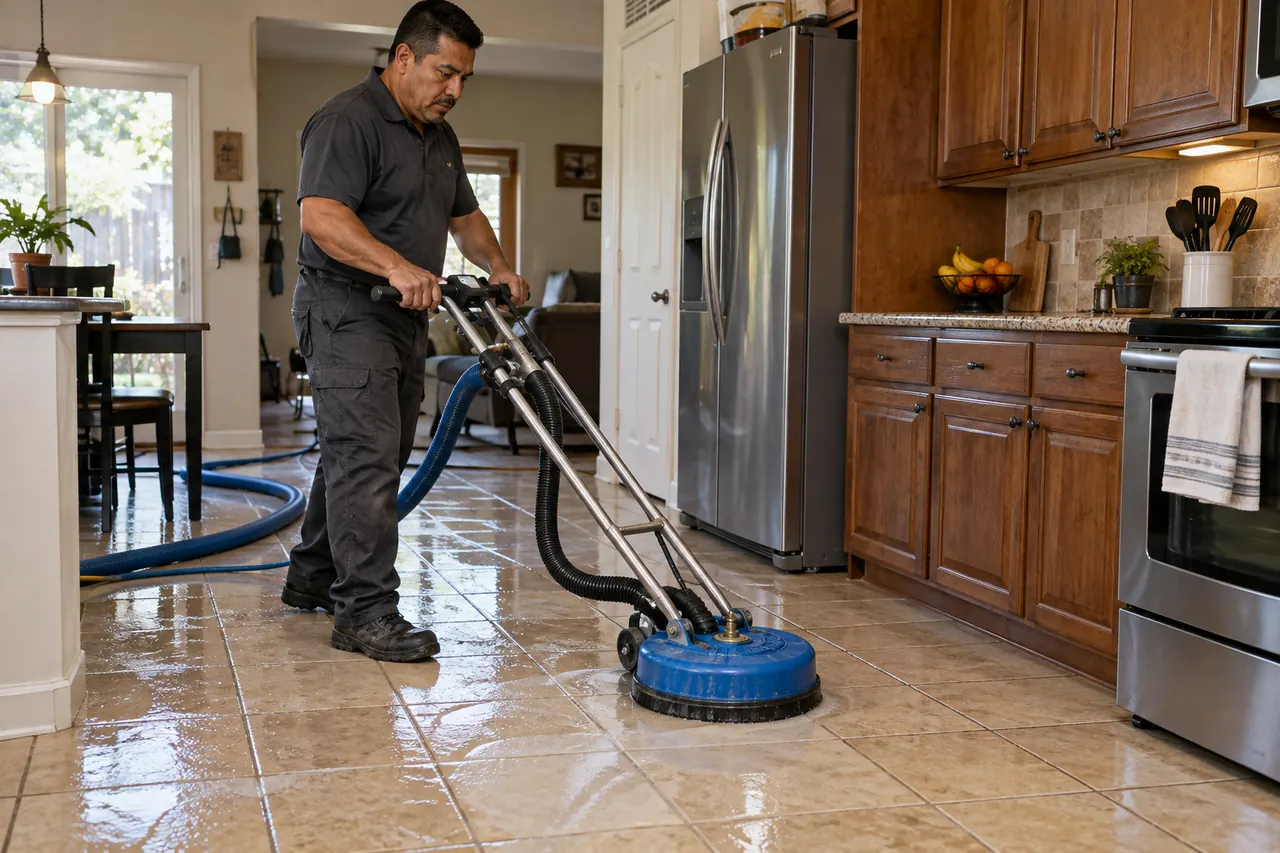
Professional cleaning is also a practical choice when you are preparing a rental unit, managing a hotel or office restroom, moving into a home, or trying to restore a shower that has been neglected for years. Specialized equipment can lift embedded residue more evenly than repeated hand scrubbing, helping avoid the patchy look that comes from cleaning only the most visible areas.
First Choice Floor Care begins with an inspection of the tile, grout, and surface condition, then uses the appropriate cleaning process for the material. When suitable, sealing grout after cleaning can help reduce how quickly moisture and residue soak in. Sealing is not a substitute for regular care, but it can make future cleaning easier and help maintain that fresh, restored look.
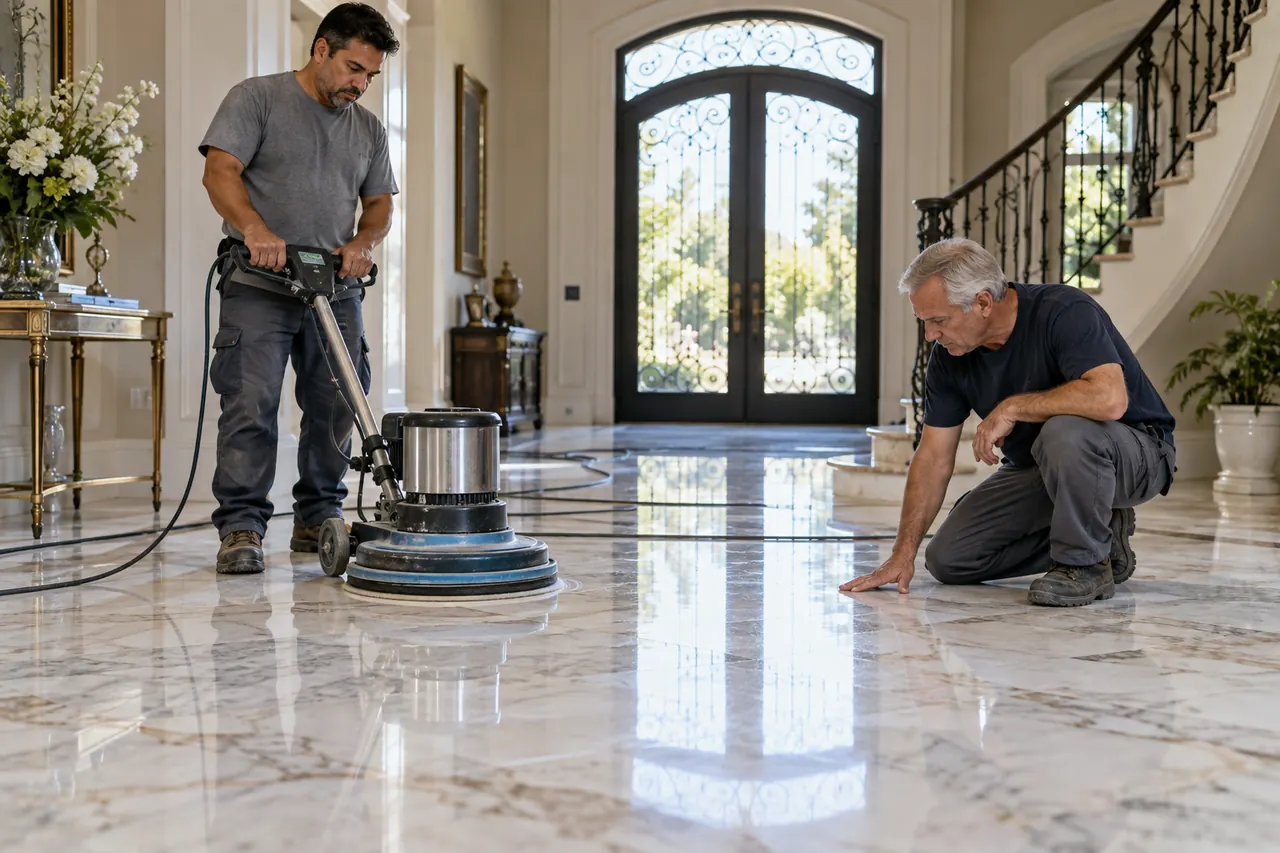
Natural stone deserves extra attention. A dull marble or travertine shower may not be dirty at all - it may be etched from acidic products. In that case, cleaning alone will not bring back the shine. Professional honing or polishing may be needed to restore the surface safely.
Keep soap scum from coming back so quickly
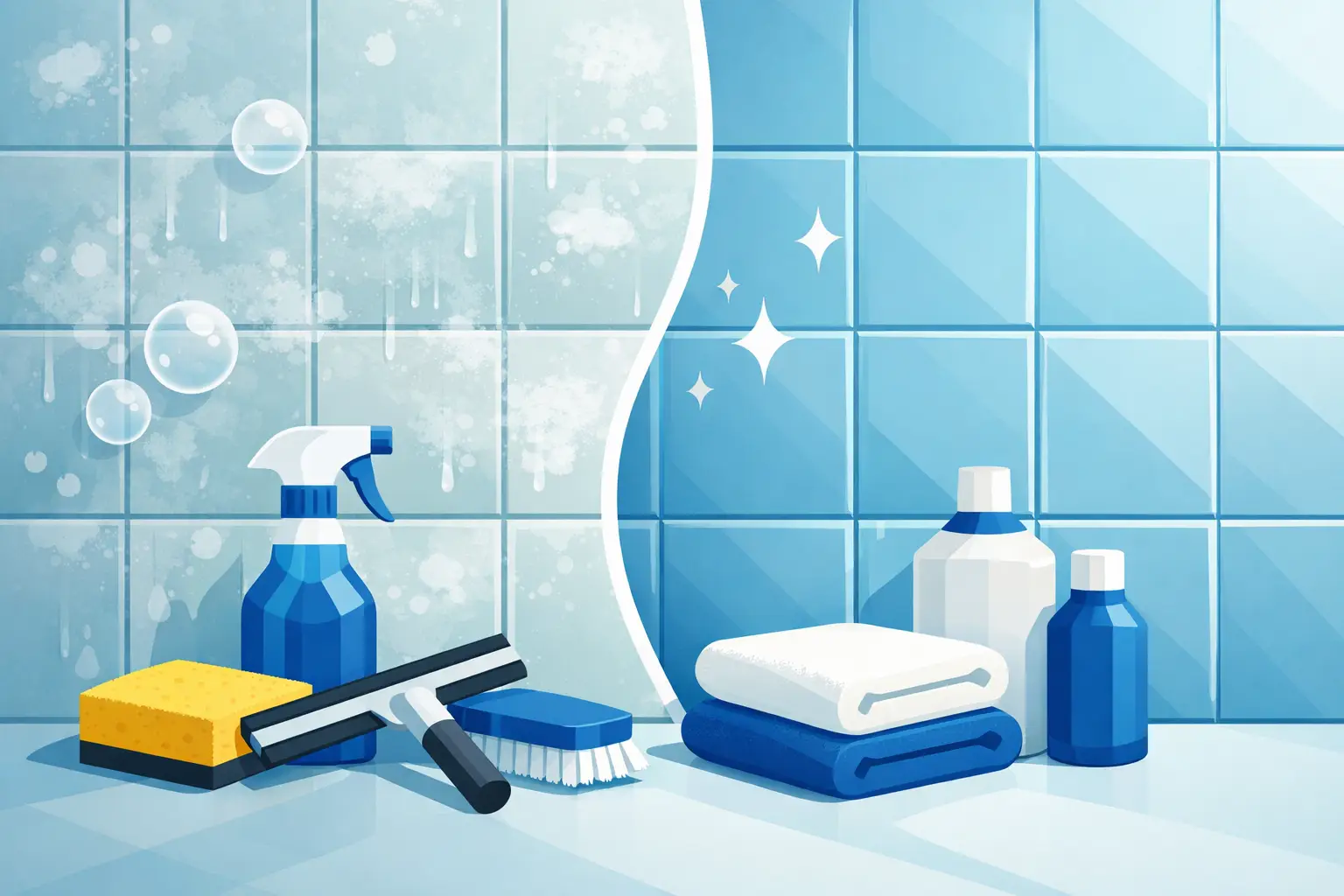
The easiest way to control soap scum is to remove moisture before it dries. After showering, use a squeegee on the walls and glass, then leave the bathroom fan running long enough to reduce humidity. It takes less than a minute and can noticeably reduce film buildup.
A weekly wipe-down with a tile-safe cleaner keeps fresh residue from becoming a heavy layer. If hard water is a recurring issue, using liquid body wash instead of traditional bar soap may reduce the residue that forms on shower surfaces. It will not eliminate mineral deposits, but many households notice less of the waxy film.
Pay attention to corners, grout lines, shower tracks, and the bottom row of wall tile. These are the places soap scum and moisture settle first. A small amount of regular care protects the work you put into a deep clean and helps the bathroom stay more comfortable for family, guests, tenants, or customers.
A clean shower should not require hours of hard scrubbing every weekend. Treat the surface gently, use products that match the material, and get help when buildup has moved beyond what normal cleaning can remove. Your tile can look brighter, your grout can look fresher, and the room can feel easier to enjoy again.
Unsure what your surface needs?
A clear assessment is more useful than guessing. Tell us what you’re seeing and we’ll discuss the next step.
Request an Estimate