Use this rental property cleaning guide to refresh floors, grout, carpets, and upholstery between tenants and protect your South Florida investment today.
A vacant rental can look clean at first glance and still leave the wrong impression. Dust settles in corners, grout holds onto dark traffic lines, and a carpet that seems fine can carry odors from pets, spills, or months of everyday use. This rental property cleaning guide helps landlords, property managers, and hosts prepare a unit for the next tenant with a process that protects the property and helps it feel truly ready.
For South Florida rentals, fast turnovers matter, but rushing the wrong areas often costs more later. A careful cleaning plan helps you spot damage, avoid unnecessary replacement, and present a fresher space that tenants can feel good about moving into.
Start With an Empty-Unit Walkthrough
Clean after furniture, boxes, and trash are out of the way whenever possible. An empty unit makes it easier to see what normal wear has left behind and what needs repair before cleaning begins. Walk room by room in daylight, taking photos of floors, baseboards, walls, appliances, windows, and upholstered items that stay with the property.
This is also the time to separate cleaning needs from maintenance needs. A dark grout line may need professional deep cleaning, while a cracked tile or loose transition strip needs repair. A stain may lift from carpet, but a burned area or pet-chewed section may require replacement. Clear documentation keeps turnover decisions fair and gives you a better record of the unit’s condition.
Pay close attention to high-touch and high-traffic areas: entryways, kitchens, bathrooms, hallways, living room pathways, and bedrooms where furniture covered the floor. These areas show the difference between a quick wipe-down and a property that has been properly cared for.
Build Your Rental Property Cleaning Guide Around Priorities
Not every surface needs the same level of service. The best approach is to clean from top to bottom and dry areas to wet areas, saving floors for last. This prevents dust and debris from landing on surfaces you have already finished.
Start by removing cobwebs, dusting vents and ceiling fans, wiping light fixtures, and cleaning window tracks. Then move to cabinets, counters, appliances, sinks, showers, toilets, and interior doors. Finish with baseboards and floors once the rest of the room is complete.
For a practical turnover checklist, make sure the cleaning plan covers these distinct areas:
- Kitchen grease, cabinet interiors, appliance handles, and refrigerator shelves
- Bathroom soap film, mineral buildup, grout, mirrors, and exhaust vents
- Flooring, including tile, grout, natural stone, carpet, and transition areas
- Upholstery, window coverings, and other items left furnished in the unit
- Odors caused by pets, moisture, food, smoke, or neglected trash
A unit does not have to look brand new to be move-in ready. It should be sanitary, well maintained, and free from the lingering signs of the previous occupant. That standard protects your reputation while setting clear expectations for the incoming tenant.
Give Floors More Than a Surface Clean
Floors carry the story of a rental property. Sand from outside, wet shoes, pet paws, cooking residue, and daily foot traffic can make tile, grout, carpet, and stone look worn long before the material is actually ready for replacement.
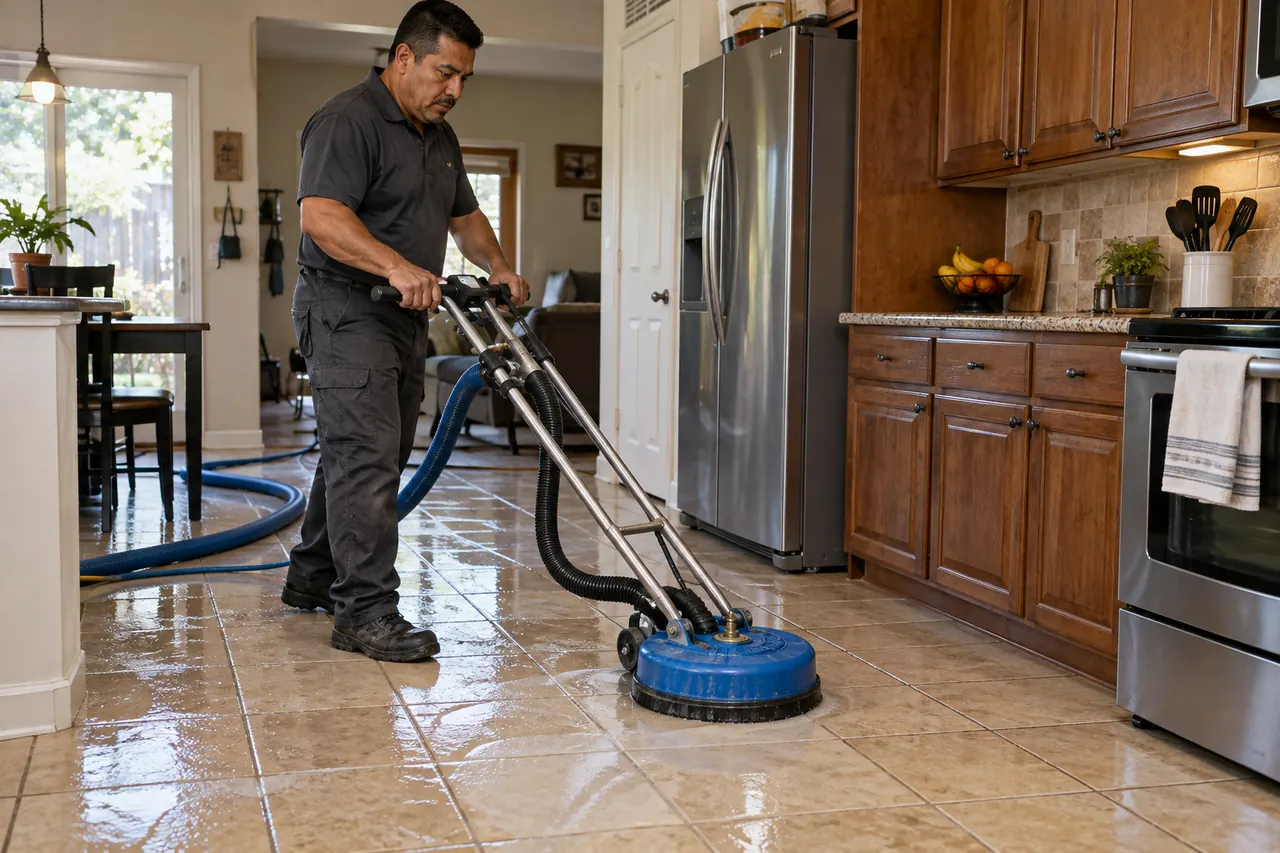
Tile is common in Fort Lauderdale and across South Florida because it handles humidity well and is easy to maintain. Still, mopping alone does not remove the soil packed into porous grout lines. Over time, grout can look dark, uneven, or permanently stained even when the tile itself appears clean. Deep tile and grout cleaning removes embedded buildup that routine cleaning leaves behind, bringing back a more even, brighter look.
Natural stone needs a more careful approach. Marble, travertine, and terrazzo can become dull from acidic products, harsh scrubbers, and improper cleaners. Vinegar or strong bathroom cleaners may seem like an easy fix, but they can etch or damage polished stone. If stone floors have lost their shine, professional polishing may restore the finish without the expense and disruption of replacement.
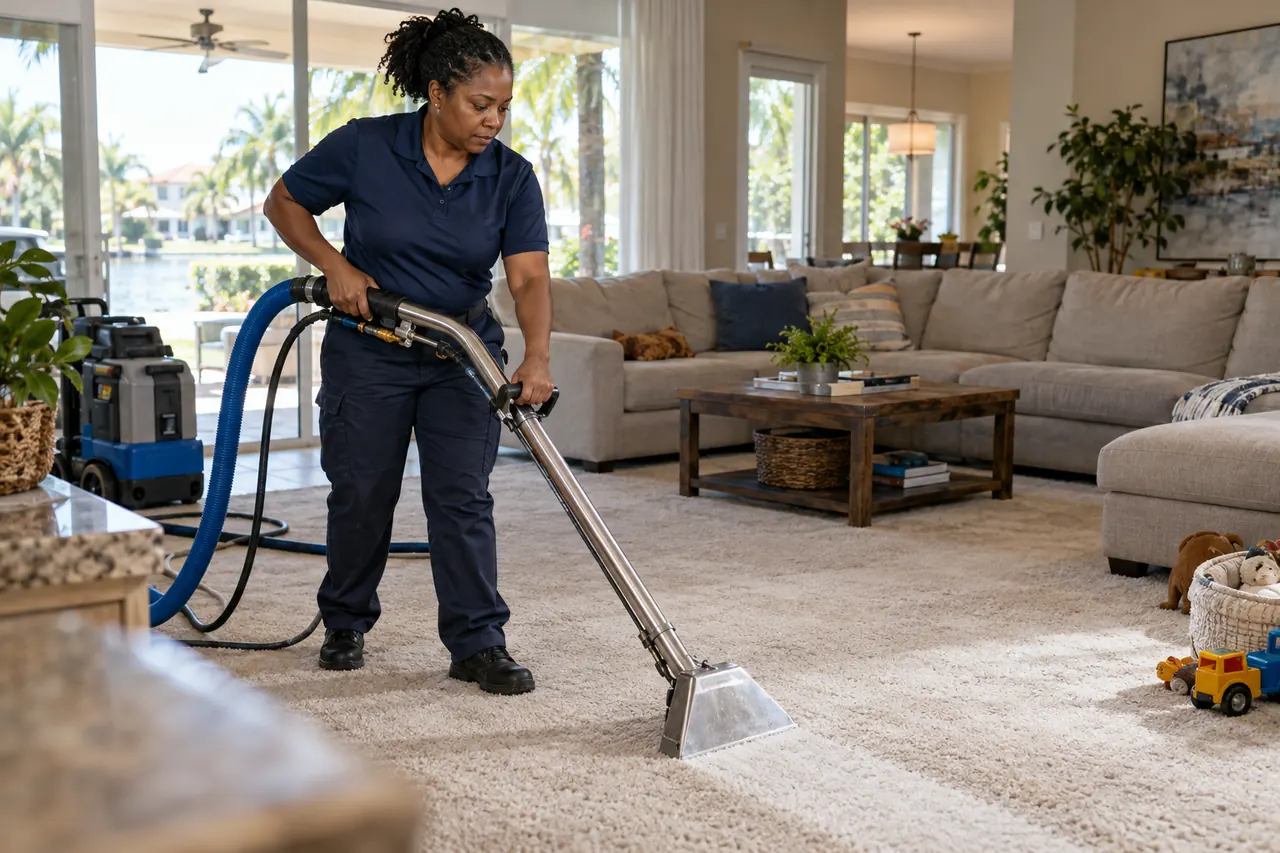
Carpet should be inspected for traffic lanes, pet stains, discoloration, and odor. Vacuuming is necessary, but it does not reach deeply embedded dirt or residues from previous spot treatments. Steam cleaning can refresh carpet fibers and improve the overall feel of a room. When stains or odors are severe, it is worth addressing them before showings rather than covering them with fragrance.
Handle Odors at the Source
A pleasant-smelling rental is not the same as a clean rental. Heavy air fresheners can make a prospective tenant wonder what is being hidden. Instead, identify the source of the odor and treat the materials holding it.
Pet odors commonly settle into carpet padding, upholstery, baseboards, and sometimes grout near litter boxes or pet feeding areas. Smoke can cling to fabrics, vents, blinds, and walls. In humid South Florida conditions, musty smells may point to moisture problems, poor ventilation, or an air-conditioning issue that needs attention before a new tenant moves in.
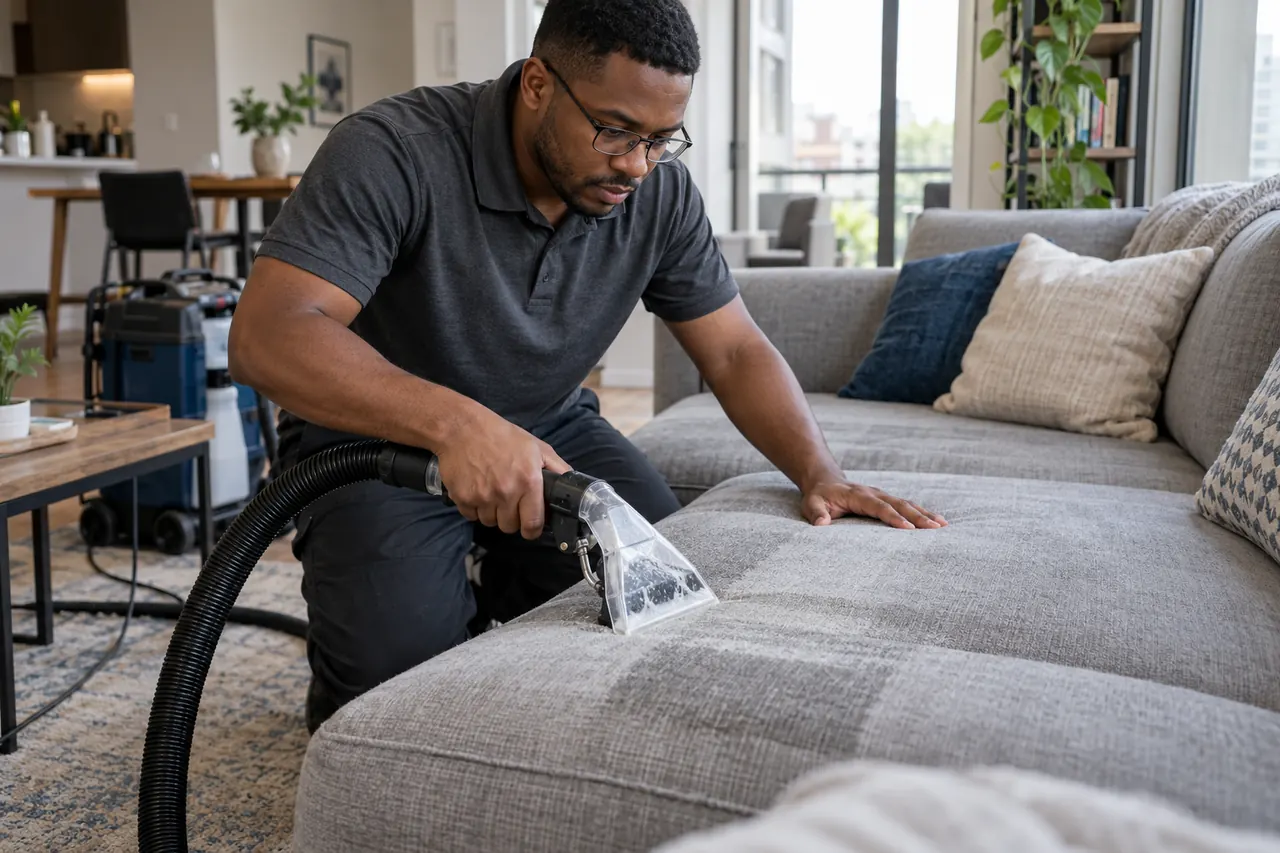
Start with trash removal and thorough cleaning, then check drains, garbage disposals, refrigerator drip pans, bathroom exhaust fans, and air filters. If a smell remains after surface cleaning, professional carpet or upholstery steam cleaning can be a practical next step. The right method depends on the fabric, the source of the odor, and whether the problem has reached deeper materials.
Know When DIY Cleaning Is Enough
A detailed in-house cleaning can work well between tenants when the unit has been regularly maintained, the flooring is in good shape, and there are no major stains or odors. It is a sensible option for light dust, standard kitchen and bathroom cleaning, and touch-up work before photos or showings.
Professional service is often the better value when grout is visibly dark, stone has lost its polish, carpet odors persist, or upholstery has noticeable stains. These are the areas where household products can disappoint or cause damage. Renting equipment and buying multiple cleaners may not save much if the result still looks unfinished.
For landlords managing several units, it also helps to create a consistent turnover standard. The same inspection process, cleaning expectations, and photo documentation for each property make scheduling easier and reduce disputes over what was left behind. Consistency is especially helpful for short-term rentals and hospitality properties, where guest reviews can be affected by details that long-term tenants might overlook.
Protect Clean Surfaces Before the Next Tenant
Once the property is clean, consider what will help it stay that way. Grout sealing can add protection against spills and soil, especially in kitchens, bathrooms, and entryways. Some stone surfaces also benefit from the right protective treatment, though the material and finish should be assessed first.
Small preventive steps matter, too. Provide clean floor mats at entrances, make sure bathroom exhaust fans work, and include simple floor-care instructions in the move-in packet. Tenants are more likely to maintain surfaces when they know which products are safe to use and which ones can cause damage.
Before handing over keys, do one final walkthrough with the lights on and windows open if conditions allow. Look from different angles for streaks on floors, residue on fixtures, missed corners, and odors that may not have been obvious earlier. The last ten minutes of inspection often catch the details that shape a tenant’s first impression.
A clean rental tells people the property is cared for. When heavily used tile, grout, stone, carpet, or upholstery needs extra attention, First Choice Floor Care can help restore the surfaces that make a space feel fresh, comfortable, and ready for its next chapter.
Unsure what your surface needs?
A clear assessment is more useful than guessing. Tell us what you’re seeing and we’ll discuss the next step.
Request an Estimate