Sofa stain recovery can lift spills, pet marks, and everyday grime. Learn what to do first, when to call a professional, and how to keep upholstery fresh.
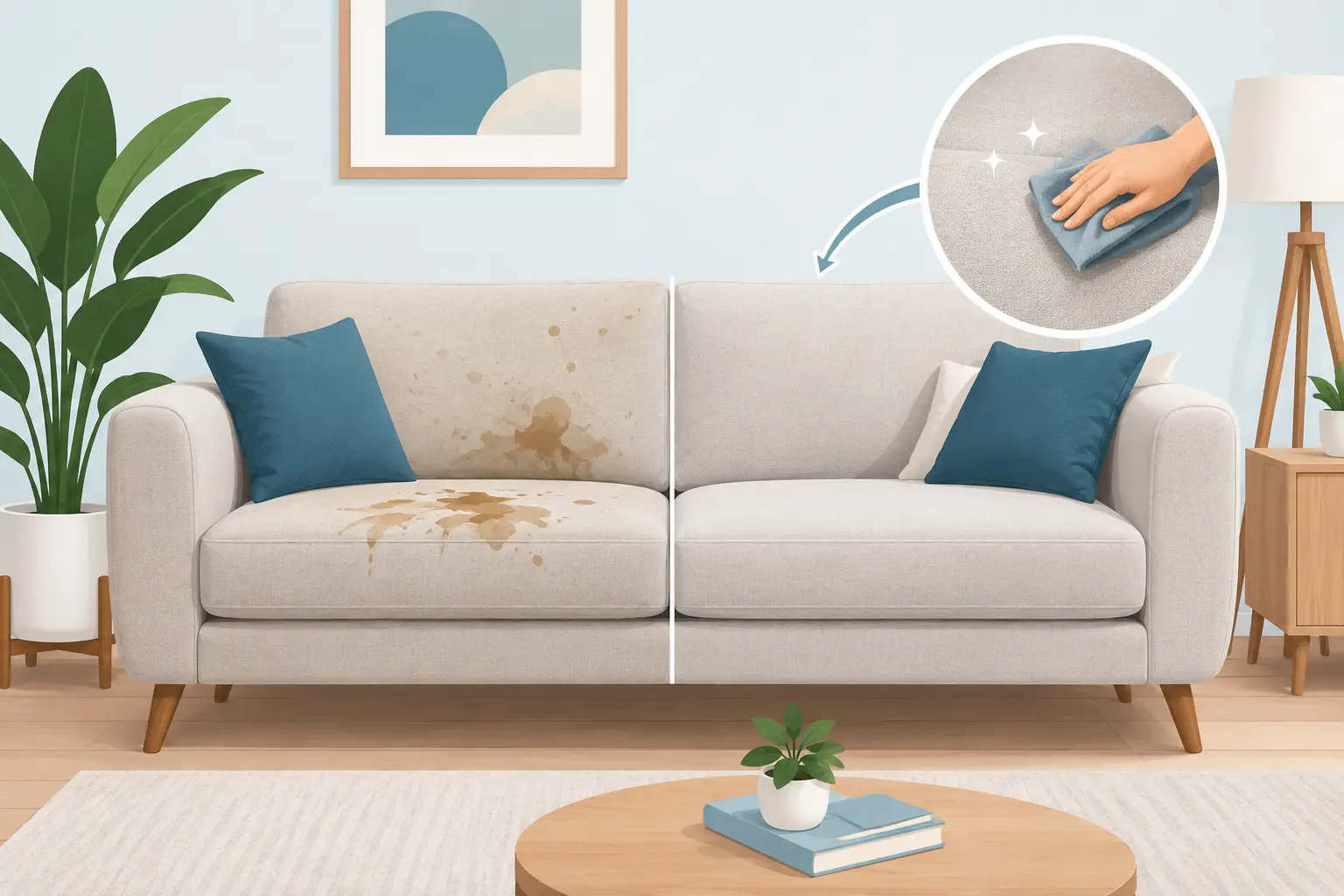
A sofa can go from looking clean to looking tired in one busy afternoon. A dropped glass of wine, a pet accident, makeup transfer, or a snack spill can leave a mark that draws attention every time you enter the room. The good news is that sofa stain recovery is often possible when the right method is used early and the fabric is treated with care.
For families, renters, property managers, and business owners in South Florida, upholstery takes a lot of daily use. Heat, humidity, pets, guests, and regular traffic can make stains and odors harder to ignore. Before replacing furniture that still feels comfortable and sturdy, it is worth understanding what can be cleaned, what should be left alone, and when professional help offers the best value.
Sofa Stain Recovery Starts With the First Few Minutes
The first response can make a major difference. Most fresh spills are easier to remove before they sink deep into the fibers, backing, and cushion padding. The goal is not to scrub the stain away. Scrubbing pushes soil farther into the fabric, spreads the affected area, and can roughen delicate upholstery fibers.
Start by gently blotting the spill with a clean white cloth or plain paper towel. Press down, lift, and move to a clean section of the cloth as it absorbs moisture. White materials are best because colored towels can transfer dye to light upholstery. Continue until the cloth no longer picks up liquid.
If there are solids, such as food or pet mess, carefully lift them with a spoon or dull edge before blotting. Avoid rubbing them into the fabric. Once the surface is dry to the touch, check the sofa's cleaning code, usually found on a tag under a cushion or beneath the frame.
A W code generally means water-based cleaners may be used. An S code calls for solvent-based cleaning only. WS indicates that either method may be appropriate, while X means vacuuming or professional cleaning is the safest choice. These labels matter. Using water on an S-code fabric can leave a ring, affect the texture, or create a larger problem than the original spill.
Not Every Stain Needs the Same Treatment
A coffee spill, greasy takeout mark, ink spot, and pet accident behave differently in upholstery. Treating every stain with the same household spray is one of the most common reasons a spot becomes permanent.
Water-based stains, including many drink spills, mud marks, and washable food stains, may respond to careful blotting and a fabric-safe water-based cleaner. Apply the product to a cloth rather than soaking the sofa directly. Work from the outside edge toward the center so the stain does not spread. Then blot with a separate cloth dampened with clean water to remove residue.
Oil-based stains need a different approach. Lotion, hair products, pizza grease, and body oils can cling to fibers and attract more dirt over time. A cleaner made for upholstery and oil-based soil may help, but it should always be tested in a hidden area first. A product that works on one synthetic fabric may discolor cotton, linen, velvet, or a blended material.
Pet accidents deserve prompt attention because the visible mark is only part of the issue. Urine can travel through fabric into the cushion filling, leaving behind odor-causing residue. Surface cleaning may improve the appearance without fully addressing what is below. Professional extraction and odor treatment are often a better choice when the accident reached the padding or happened more than once.
Ink, nail polish, permanent marker, and dye transfer are especially risky to handle at home. Strong solvents can remove color from the upholstery along with the stain. In these cases, it is usually wiser to stop after gentle blotting and have the fabric assessed before trying additional products.
What to Avoid During Sofa Stain Recovery
Good intentions can leave upholstery with water rings, faded patches, stiff fibers, or a lingering odor. A few simple precautions protect both the fabric and the cushions.
Do not saturate the sofa with water or cleaner. Excess moisture can move a stain deeper, cause slow drying, and create a musty smell in the cushion foam. South Florida humidity can make this worse, especially in rooms with limited airflow.
Avoid bleach, dish soap, laundry detergent, and all-purpose cleaners unless the upholstery manufacturer specifically allows them. These products can leave behind sticky residue that attracts dirt or can change the fabric's color and feel. Homemade mixtures may seem harmless, but even a mild solution can react unpredictably with fabric dyes or previous cleaning products.
Heat is another concern. Do not use a hair dryer or place cushions in direct sun to force quick drying. High heat can set certain stains and may shrink, fade, or distort upholstery. Let cleaned areas dry naturally with good airflow, and keep pets and family members off the sofa until the fabric is fully dry.
When a Professional Upholstery Cleaning Makes Sense
A DIY effort is reasonable for a small, fresh spill on a fabric with clear cleaning instructions. Larger stains, old spots, odors, and unknown fabric types call for more care. Professional sofa stain recovery is also a smart choice when the sofa is expensive, lightly colored, antique, or part of a rental or commercial property where appearance matters.
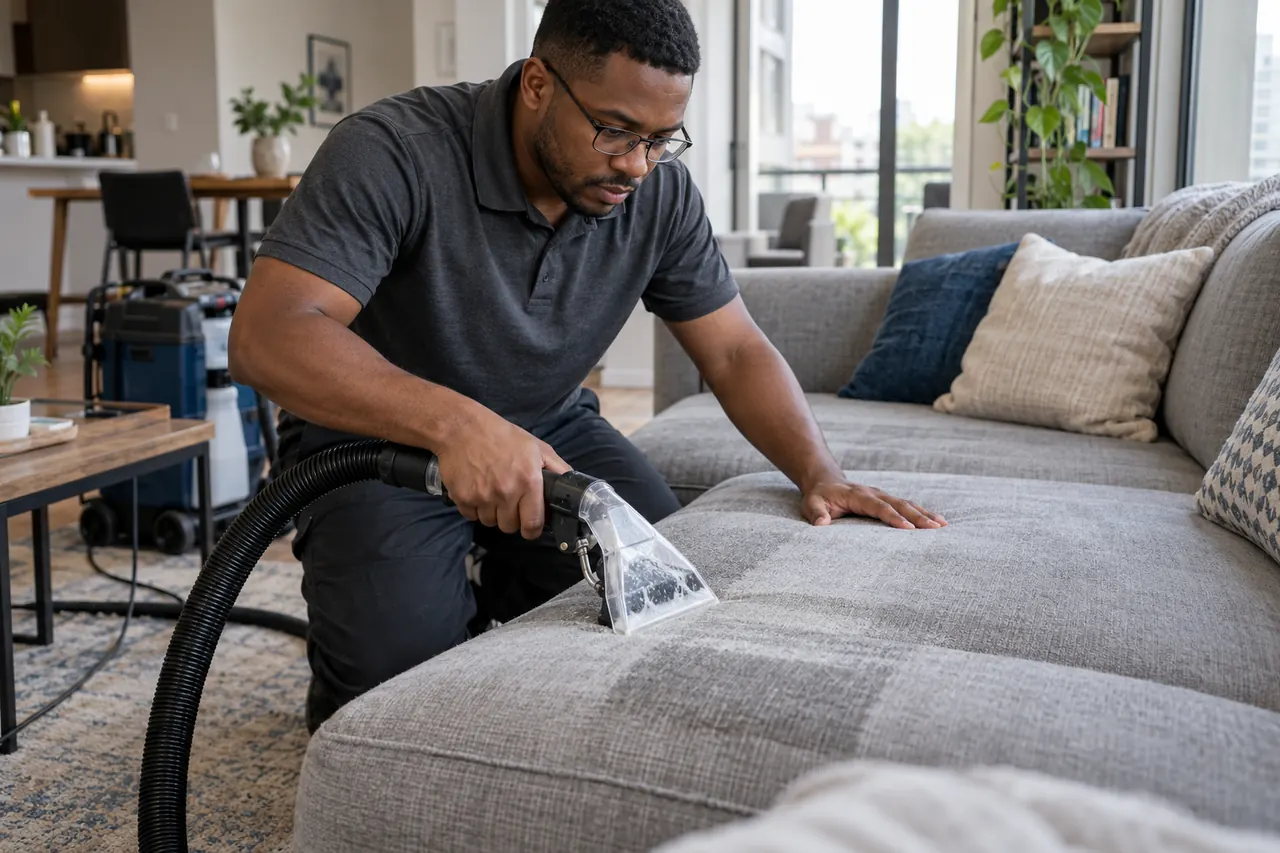
Professional upholstery cleaning is not simply spraying a cleaner and wiping it away. A proper service begins with inspecting the material, stain type, color stability, and condition of the cushions. The cleaning method should match the fabric, whether that means controlled steam cleaning, low-moisture cleaning, targeted spot treatment, or specialized odor removal.
The benefit is deeper soil removal without over-wetting the furniture. Trained technicians can lift embedded dirt, body oils, pet residue, and old cleaner buildup that makes upholstery look dull. This can improve the overall color of the sofa, not just the one visible stain.
Results depend on several factors. A fresh spill generally has a better chance than a stain that has been sitting for months. Some dyes, inks, bleach marks, and chemical damage cannot be fully reversed because the fabric itself has changed color. A dependable cleaning company should be honest about that before treatment begins rather than promising an unrealistic result.
For heavily used family rooms, vacation rentals, offices, waiting areas, and hospitality spaces, routine upholstery cleaning can prevent everyday soil from becoming a replacement issue. It is often more affordable to maintain a good sofa than to purchase a new one early.
Keeping Your Sofa Cleaner Between Appointments
Once the stain has been addressed, a few habits can help the fabric stay fresher. Vacuum the upholstery and under the cushions regularly to remove dust, crumbs, pet hair, and grit. The small crevice areas matter because debris there can work its way into the fabric with every use.
Rotate removable cushions when possible so one seat does not wear faster than the others. If pets use the sofa, washable throws can protect favorite spots without hiding the furniture all the time. For homes with children, keeping food and colorful drinks in designated areas can prevent many of the toughest stains.
Fabric protectant may also be worth considering after a professional cleaning. It does not make upholstery stain-proof, and spills still need prompt attention. What it can do is give you more time to blot a spill before it absorbs deeply. This is particularly useful for busy homes, furnished rentals, and client-facing business spaces.
First Choice Floor Care provides upholstery steam cleaning with the same practical, results-first care used for worn floors and other heavily used surfaces. A quick inspection helps determine the safest cleaning approach, so your furniture gets the attention it needs without unnecessary guesswork.
A stained sofa does not always need to be covered up, moved out, or replaced. Handle fresh spills gently, avoid harsh shortcuts, and get professional help when the stain, odor, or fabric calls for it. With timely care, the sofa that makes your room feel lived in can also look clean, comfortable, and ready for the next gathering.
Unsure what your surface needs?
A clear assessment is more useful than guessing. Tell us what you’re seeing and we’ll discuss the next step.
Request an Estimate