Find out why carpets smell, from South Florida humidity and pet accidents to damp padding, and learn when deep professional cleaning can help at home today.
A carpet can look clean from across the room and still make the whole space feel off the moment you walk in. That lingering musty, sour, or pet-related odor is frustrating, especially when you have already vacuumed and sprayed a freshener. Understanding why carpets smell helps you treat the real source instead of covering it up for a few hours.
In Fort Lauderdale and throughout South Florida, humidity makes this problem more common. Moisture in the air, busy family routines, pets, spills, and air conditioning can all work together to trap odors deep in carpet fibers and padding. The good news is that many carpet odors can be improved with the right approach - and the right timing.
Why Carpets Smell After Everyday Use
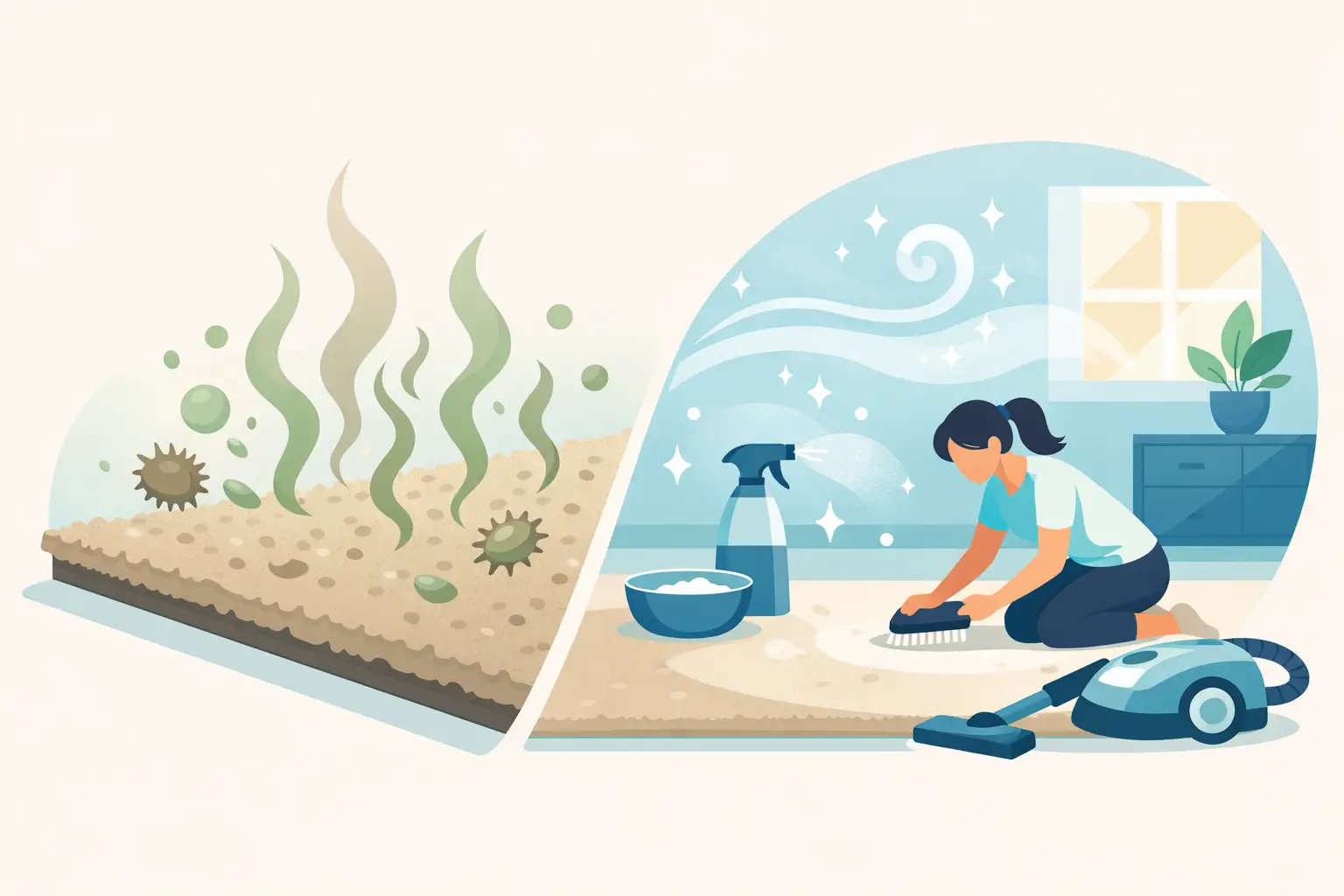
Carpet is comfortable, quiet, and welcoming, but it also acts like a filter. It catches dust, skin cells, crumbs, pollen, pet hair, and oils brought in from outside. Vacuuming removes a meaningful amount of dry debris, yet it cannot always reach the sticky residue and fine particles clinging to fibers lower in the carpet.
Over time, that buildup can create a stale smell. High-traffic areas such as hallways, living rooms, entryways, offices, and hotel rooms tend to develop odors first because they collect more dirt and body oils. A carpet may not have a visible stain, but it can still hold enough soil to affect how the room smells.
Odor also depends on the type of carpet and how it is used. Dense carpet can hold more debris than a low-pile commercial carpet. Bedrooms may collect less outdoor dirt but more fabric fibers, dust, and moisture from daily living. There is no one-size-fits-all answer, which is why inspecting the carpet, its age, and the source of the smell matters.
Humidity and Damp Carpet Fibers
South Florida humidity is one of the biggest reasons a carpet can smell musty. When carpet fibers or the backing stay damp, mildew and bacteria can grow. This can happen after a spill, a leak, a wet shoe trail, steam cleaning that did not dry quickly enough, or moisture rising from the subfloor.
A musty odor that gets stronger when the AC is running or after a rainy week deserves attention. Simply opening a window may not solve the issue in a humid climate. Instead, use air conditioning or a dehumidifier, improve airflow with fans, and make sure the carpet dries fully after cleaning.
If the carpet feels damp days after a spill or cleaning, there may be a deeper moisture problem. The padding beneath the carpet can hold water long after the surface feels dry. In that case, the source needs to be found before odor treatment will last.
Pet Accidents and Pet Dander
Pet odors are rarely just a surface issue. Urine can travel through carpet fibers into the backing and padding, then spread outward beneath the carpet. As the area becomes humid again, odor-causing compounds can reactivate. That is why a spot may smell fine for a week and then suddenly return.
Pet dander, hair, and natural oils also contribute to a general animal smell in rugs and carpets. Regular vacuuming helps, particularly with a vacuum that has strong suction and a clean filter. Still, if there have been repeated accidents or an older stain, deep treatment is often needed to reach below the visible surface.
Avoid soaking a pet spot with large amounts of water or heavily perfumed cleaner. Extra moisture can push the problem farther into the padding, while fragrance may only mix with the odor. A targeted enzyme-based cleaner can be useful for a fresh, small accident when used according to the label. For recurring odor, professional inspection is usually the more practical choice.
Food, Drinks, and Hidden Spills
A dropped drink may seem harmless after it dries, but sugary beverages, milk, coffee, wine, sauces, and grease can leave residue behind. That residue attracts bacteria and can create sour or stale odors over time. In homes with children or busy entertaining areas, forgotten spills are common.
Commercial spaces have their own version of this problem. Break rooms, waiting areas, restaurants, and hospitality properties see frequent beverage spills and foot traffic. A carpet can develop odor even when staff clean visible marks quickly, because the spill may have reached the backing before it was treated.
Blotting immediately with a clean, absorbent towel is the best first response. Do not scrub, because scrubbing can spread the spill and roughen the fibers. Once dry, check the area again. If a smell remains, the residue needs more than a light surface spray.
Why Carpets Smell Worse After Cleaning
It can be alarming when a carpet smells worse after it has been cleaned. Usually, the cleaning did not create the odor. Instead, moisture lifted old dirt, oils, and residue from deep in the carpet, making an existing problem more noticeable while the carpet dries.
This is especially common with heavily used carpet, pet areas, and carpets that have not been deep cleaned for years. If drying takes too long, the damp conditions can also encourage mildew growth. A properly cleaned carpet should dry within a reasonable period with good ventilation, airflow, and appropriate cleaning methods.
Too much water is a concern, but so is using the wrong cleaning product. Soap left behind in the fibers can attract dirt quickly and leave carpet feeling sticky. Rental machines can work for light maintenance, but they may not have the extraction power needed for deeply soiled carpet or contaminated padding. The trade-off is simple: DIY cleaning can be convenient for a small, recent issue, while persistent odors call for deeper extraction and more careful evaluation.
Simple Steps That Help Keep Carpet Fresh
A fresh-smelling carpet starts with regular care, not just emergency cleaning. Vacuum high-traffic areas at least once or twice a week, and vacuum more often when pets, children, or frequent visitors are part of the household. Empty or replace filters as needed so the vacuum can actually pick up fine dust and hair.
Address spills promptly, keep wet shoes and umbrellas off carpeted areas, and use entry mats to reduce the dirt tracked inside. In humid months, keep indoor moisture under control and do not place heavy furniture back on carpet until it is fully dry after cleaning.
For a mild, general odor, baking soda can help absorb surface smells. Sprinkle a light, even layer, let it sit for several hours, then vacuum thoroughly. This is not a cure for urine, mold, soaked padding, or a long-standing spill, but it can be a useful maintenance step between deeper cleanings.
Be cautious with carpet deodorizers that rely on strong fragrance. A room may smell perfumed while the underlying odor remains. If the scent comes back as soon as the fragrance fades, that is a clear sign the source has not been removed.
When a Carpet Odor Needs Professional Attention
Some odors are a sign that it is time to stop experimenting with sprays. Persistent mustiness, repeated pet odor, visible water staining, a smell that returns after cleaning, or an odor that seems strongest near a wall or one section of carpet can point to moisture below the surface.
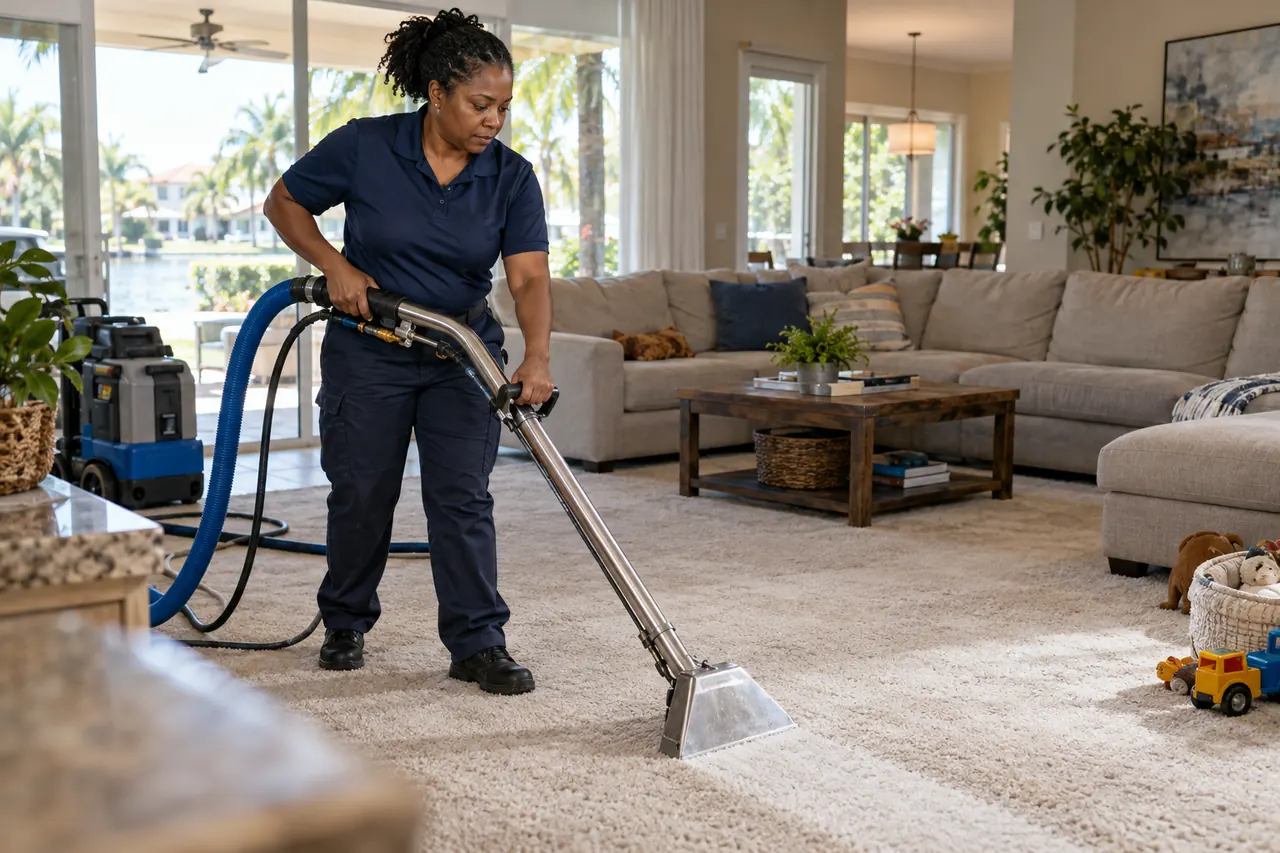
A professional carpet cleaning service can assess the condition of the fibers, treat embedded soil, and use extraction methods designed to remove odor-causing residue rather than mask it. For pet contamination or water damage, the condition of the padding and subfloor may also need to be considered. In severe cases, cleaning the carpet alone may not be enough, and honest guidance about repair or replacement protects you from spending money twice.
For homes, rentals, offices, and hospitality spaces, timely cleaning also helps protect the appearance of the carpet. Removing trapped soil before it grinds into the fibers can help carpets look brighter, feel softer, and stay easier to maintain.
A Fresher Room Starts Below the Surface
Carpet odors are often a small warning that dirt, moisture, or residue has settled where ordinary cleaning cannot reach. Pay attention to when the smell appears, whether it gets worse after rain or AC use, and whether it is tied to pets, spills, or a particular area of the room. That information makes the next step clearer.
When your carpet no longer feels fresh enough for your family, guests, tenants, or customers, First Choice Floor Care can provide a straightforward assessment and deep cleaning approach focused on the source of the problem. A clean carpet should do more than look better - it should help the whole room feel comfortable to live and work in again.
Unsure what your surface needs?
A clear assessment is more useful than guessing. Tell us what you’re seeing and we’ll discuss the next step.
Request an Estimate