
Learn why grout cracks, what cracks reveal about moisture and movement, and when professional cleaning, repair, or sealing can protect your tile floors.
A thin crack running through a grout line can make an otherwise clean tile floor look neglected fast. Homeowners often ask why grout cracks after noticing loose pieces near a doorway, hairline lines in a shower, or darkened joints that seem impossible to keep clean. The answer is not always the same, but the crack is worth paying attention to. Grout is meant to fill the space between tiles, not hold a floor or wall together when the surface underneath starts moving.
Why Grout Cracks in Floors and Showers
Some grout cracks are minor and mostly cosmetic. Others are an early sign of moisture exposure, poor installation, or movement below the tile. Knowing the difference can help you avoid spending money on repeated touch-ups that do not last.
Natural movement beneath the tile
Tile is hard, but the materials beneath it can expand, contract, flex, or settle. Concrete slabs, wood subfloors, walls, and framing all move slightly over time. In South Florida, heat, humidity, heavy rain, and moisture changes can add to that movement.
When the tile installation does not include enough room for expansion, the grout may crack first. You may see this around room edges, doorways, long floor runs, or where tile meets a wall. If tiles themselves feel loose, sound hollow when tapped, or have cracks that line up with the grout damage, the issue may be below the surface rather than in the grout alone.
Improper grout mixing or installation
Grout needs the right water-to-powder ratio and proper curing time. Adding too much water can weaken it. Mixing it inconsistently, spreading it over poorly prepared joints, or washing it too aggressively during installation can also leave grout soft, porous, or prone to shrinkage.
This type of cracking often appears relatively soon after a new tile job. The cracks may be fine and spread through several joints, while the tile remains firmly attached. In that situation, removing weak grout and regrouting may solve the problem if the underlying tile installation is sound.
Missing flexible joints where surfaces meet
Grout should not be used everywhere. Areas where two different planes meet need a flexible sealant, often called caulk, rather than rigid grout. Common examples include the corners of a shower, the joint between a tub and tile surround, wall-to-floor transitions, and certain perimeter edges.
Those areas move more than a flat tile field. When they are filled with regular grout, cracking is very common. Replacing the cracked material with a color-matched flexible sealant allows the joint to move without opening up again.
Moisture getting behind or below tile
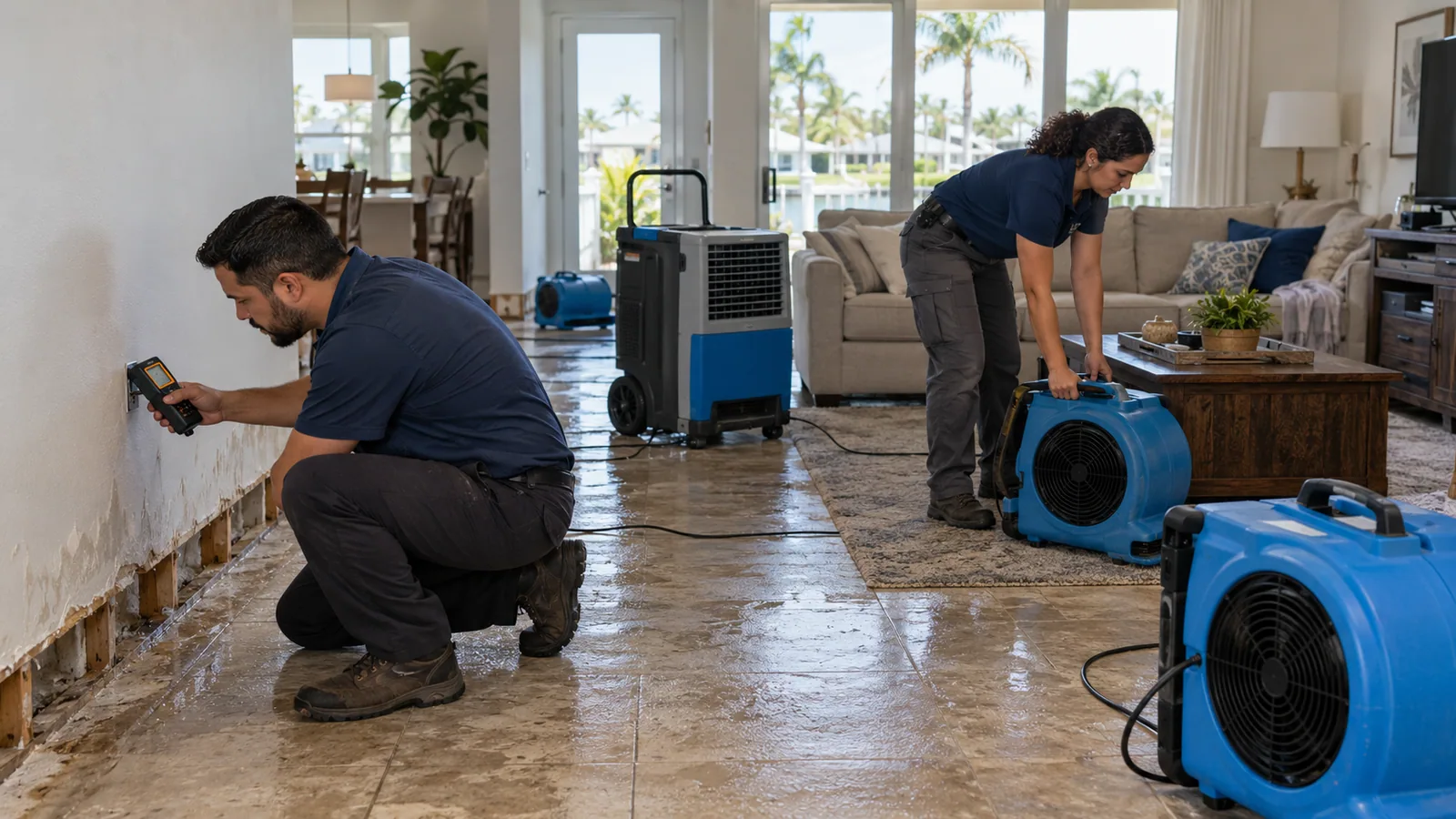
A shower that stays damp, a leaking pipe, a failing shower pan, or water entering through unsealed gaps can cause grout problems over time. Water does not always create a dramatic puddle. It can work slowly behind wall tile or under floor tile, weakening the setting materials and allowing movement.
Warning signs include grout that stays dark long after use, a musty odor, loose tiles, recurring cracks in the same place, peeling paint on an adjoining wall, or soft flooring outside the bathroom. Surface cleaning can improve the appearance of stained grout, but it cannot correct a leak or failed waterproofing system. That needs to be addressed first.
Heavy traffic and impact
Entryways, kitchens, hallways, rental units, and commercial spaces take a daily beating. Rolling carts, dropped objects, shifting furniture, and repeated foot traffic can wear down grout, especially if it was already weak or never sealed.
Traffic alone does not usually cause a deep crack across a properly installed tile floor. It can, however, chip away at old grout, widen small flaws, and push dirt into the open joint. In busy areas, cracked grout quickly turns from a small visual issue into a cleaning challenge because the rough edges trap soil.
What the Pattern of the Crack Can Tell You
The location and shape of a grout crack matter. A single short crack in one joint may be a simple repair. A long, continuous crack traveling across multiple tile rows deserves closer inspection.
Hairline cracks near a shower corner often point to a rigid joint where flexible caulk should have been used. Crumbling grout around a toilet, tub, or exterior door can indicate moisture exposure. Cracks concentrated at thresholds may be caused by normal movement between rooms or different flooring materials.
If grout is cracking in a straight line across a large floor, especially with cracked or tented tiles nearby, there may be movement in the slab or subfloor. Do not keep packing fresh grout into that line without checking the tile condition. New grout may look better briefly, but it will crack again if the cause remains.
Can You Repair Cracked Grout Yourself?
A small, isolated crack can often be repaired if the surrounding tiles are solid and there are no signs of water damage. The damaged grout should be carefully removed to a usable depth, the joint vacuumed clean, and new grout installed according to the manufacturer’s directions. Simply spreading new grout over a shallow crack rarely creates a lasting repair.
For a shower corner or tile-to-tub joint, use a flexible, mildew-resistant sealant made for wet areas instead of grout. Allow it to cure fully before exposing it to water.
DIY repair is less suitable when cracks keep returning, tiles move underfoot, several joints are failing, or the area has moisture concerns. Removing grout with the wrong tool can chip tile edges, and repairing a leaking shower at the surface can hide a bigger problem for a while. A professional inspection helps separate a grout issue from a tile installation or water issue.
Cleaning Cracked Grout Without Making It Worse
Cracked grout is more vulnerable to staining because dirt and moisture settle into the openings. Scrubbing can improve the look, but harsh chemicals and overly aggressive tools can weaken already damaged joints.
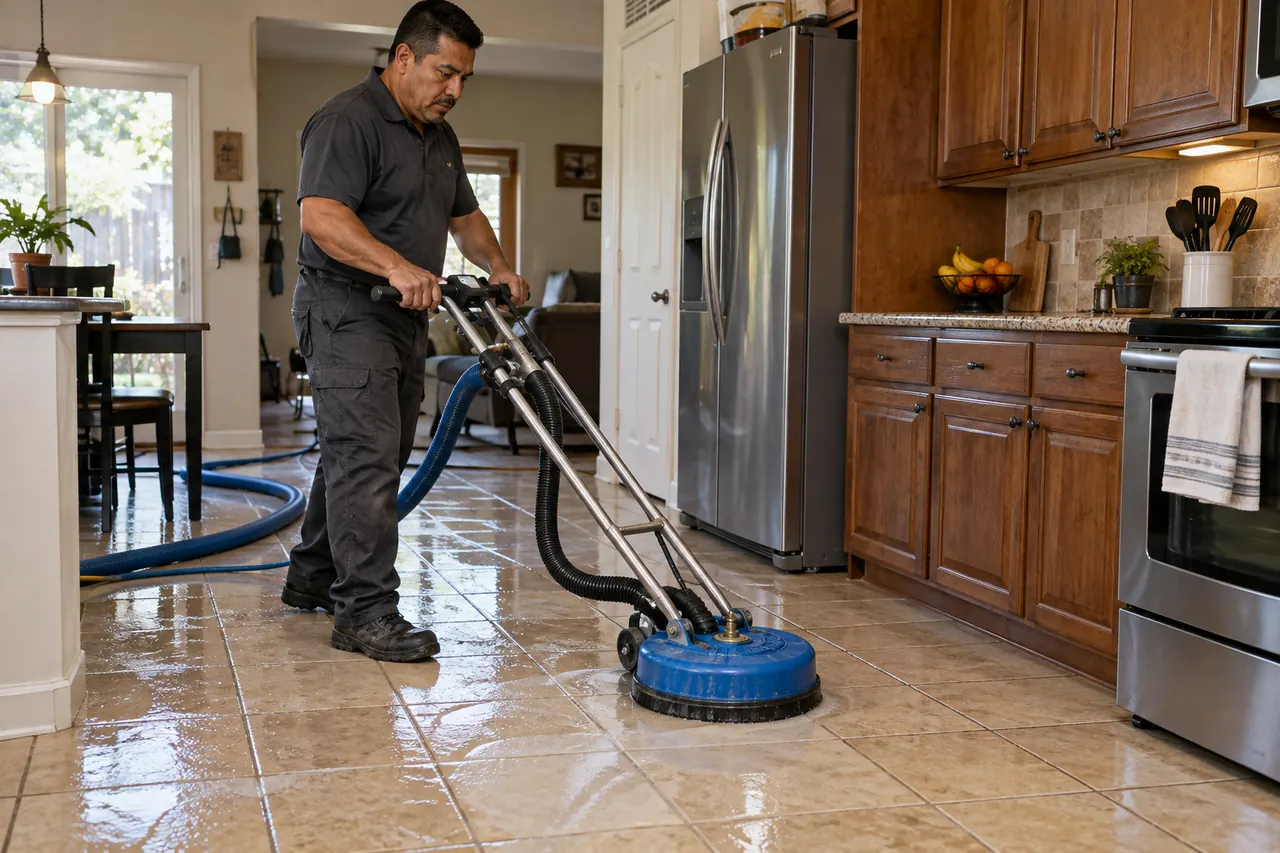
Avoid repeatedly using strong acids, bleach-heavy mixtures, or abrasive wire brushes on grout. These methods may lighten a stain temporarily while leaving the grout more porous or brittle. Steam, professional-grade tile and grout cleaning methods, and the right cleaning solution can remove embedded soil without unnecessary damage to the surrounding tile.
After cleaning, it is easier to see what is actually happening. Sometimes grime is disguising a small repair. Other times, cleaning reveals crumbling edges, missing grout, or discoloration that points to water entering below the surface.
When Sealing Helps - and When It Does Not
Grout sealer is a protective step, not a crack repair. A quality penetrating sealer helps reduce the amount of water, spills, and dirt absorbed by porous cement-based grout. That makes everyday cleanup easier and can help grout keep a fresher appearance in kitchens, bathrooms, and high-traffic floors.
Sealer should be applied only after grout is clean, dry, and in good condition. Sealing over loose, cracked, damp, or contaminated grout can trap the problem in place. It also will not stop cracks caused by tile movement, poor installation, or a leak.
For many homes and businesses, the best order is inspection first, repair where needed, deep cleaning, then sealing for added protection. The right approach depends on the tile type, grout condition, location, and how the space is used.
When to Call a Tile Professional
It is time to get help when grout cracks are recurring, spreading, or paired with loose tiles and moisture symptoms. This is especially true in showers, around tubs, in ground-floor bathrooms, and in commercial spaces where worn flooring affects safety and appearance.
A trained surface care professional can assess whether the grout needs cleaning, repair, recoloring, sealing, or a referral for a more involved tile or plumbing repair. At First Choice Floor Care, the goal is to give Fort Lauderdale-area property owners a clear view of what their floor or shower needs - without pushing a one-size-fits-all fix.
A cracked grout line does not automatically mean your tile must be replaced. Address it early, keep moisture and soil out of the open joint, and choose a repair that matches the real cause. That small bit of attention can help your tile stay cleaner, safer, and easier to enjoy for years.
Unsure what your surface needs?
A clear assessment is more useful than guessing. Tell us what you’re seeing and we’ll discuss the next step.
Request an Estimate